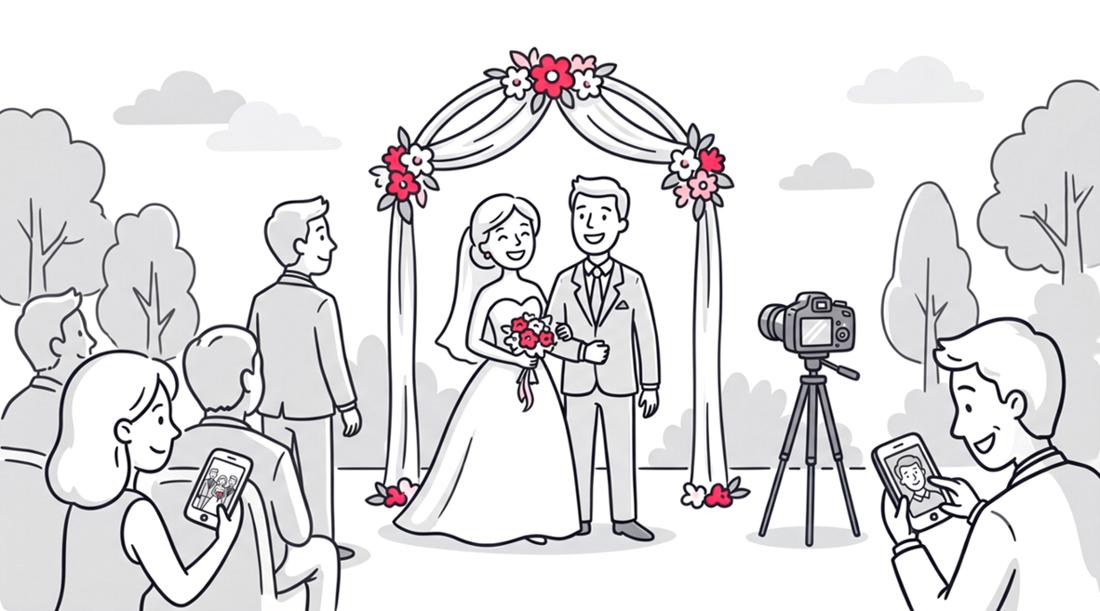
Event photography requires more than just capturing great moments. Delivering those moments safely to your guests is equally important. Many organizers default to public platforms for distribution.
This common mistake compromises both image quality and user privacy. Attendees increasingly demand control over their digital footprint. They do not want their candid moments broadcasted across public feeds without consent.
Finding out how to share event photos with attendees securely is now a top priority for event professionals. You need a solution that protects user data while maintaining a seamless user experience.
Relying on public feeds is no longer acceptable for premium events. It is time to rethink how we distribute digital memories.
The Hidden Technical Costs of Public Photo Sharing
Social platforms are built for infinite scrolling, not for professional archiving. When you upload a high-resolution file to these networks, the system immediately applies aggressive compression algorithms.
This destroys the hard work your photography team put into color grading and lighting. The pristine gallery you envisioned becomes a pixelated mess.
Aggressive Image Compression Algorithms
Professional cameras capture massive amounts of data in every frame. Social platforms strip this data to save server space and reduce load times.
Shadow details are crushed, and color gradients become blocky. If an attendee tries to print a photo saved from a social feed, the result is often blurry and unusable.
This reflects poorly on both the event organizer and the photographer. You lose the premium feel of the event the moment the images hit a public feed.
The Loss of Crucial Metadata
When photos are uploaded to mainstream social platforms, their publicly downloadable versions are stripped of all EXIF, IPTC, and XMP metadata. This is done to compress file sizes and protect user privacy by hiding location tags.
Because this public data is wiped, creators cannot use embedded tags to trace unauthorized usage across the web. Instead, modern copyright tracking must rely on visual pixel-matching and reverse-image search engines.
Additionally, some platforms strip original wide-gamut color profiles like AdobeRGB. They convert images into a standard sRGB profile, which can flatten or desaturate your specific tones on high-end displays.
In contrast, professional photo-sharing and delivery apps preserve the master file completely intact. They keep original metadata and color profiles untouched, guaranteeing that viewers download the image exactly as the photographer exported it
Why Privacy Matters More Than Ever for Event Organizers
Corporate events, exclusive parties, and youth sports all share one common requirement. They demand absolute control over who sees the captured media.
Public albums leave your attendees vulnerable to unwanted tagging and facial scraping by third-party data brokers. This is a massive liability for event organizers.
Navigating Attendee Consent
Consent is a complex issue in event management. An attendee might agree to be photographed, but that does not mean they agree to be featured on a public marketing channel.
Using a secure, private gallery eliminates this friction. Guests can view and download their photos without worrying about their boss or clients stumbling across them online.
Providing this level of security builds trust with your audience. It shows that you respect their personal boundaries and digital safety.
Protecting Corporate Intellectual Property
Conferences often feature proprietary slides, unreleased product prototypes, and confidential networking sessions. If these photos leak onto public feeds, it can cause significant damage.
A secure online photo sharing tool allows organizers to distribute visual recaps to verified attendees only. You can lock galleries behind secure links or PIN codes.
This keeps the focus on the event’s value rather than accidental data leaks. Discover more strategies in our article on managing corporate event data privacy.
How to Share Event Photos with Attendees Securely
Many organizers assume that secure sharing requires complex software. The reality is that the best tools prioritize a frictionless user experience.
You need a platform that gets photos into the hands of attendees instantly. It should not require them to jump through unnecessary technical hoops.
Eliminating the Friction of App Downloads
Attendees hate downloading new applications just to view a few photos. Mobile apps introduce unnecessary friction, require account creations, and drain battery life.
A browser-based web application removes this barrier entirely. Guests simply click a secure link and instantly access their curated gallery from any device.
SnapSeek is built specifically as a responsive web app for this exact reason. It ensures maximum adoption rates because there is zero installation required.
The Power of One Way Photo Delivery
Many organizers mistakenly believe that allowing guests to upload their own photos builds engagement. In reality, it creates a chaotic gallery filled with blurry, poorly lit images.
A premium event demands a curated visual narrative. SnapSeek focuses strictly on one-way photo sharing to maintain this standard.
By restricting uploads to the official event photographer, you ensure the final gallery is flawless. This elevates the perceived value of your event brand. Read our thoughts on the benefits of one-way photo sharing.
Best AI Photo Sharing at Conference Events
Large conferences generate thousands of images over a single weekend. Finding one specific person in a massive gallery is incredibly tedious.
AI technology has completely transformed this workflow. It turns a frustrating search process into an instant, magical experience for the user.
Using Facial Recognition for Instant Retrieval
Modern platforms use facial recognition to sort thousands of images in seconds. An attendee simply uploads a quick selfie to the platform.
The system scans the entire event catalog and instantly delivers a personalized gallery of their appearances. This is the definition of seamless event photo delivery.
It saves hours of manual scrolling and guarantees that attendees actually see the photos they are in.
Keeping the Focus on Curated Professional Content
AI sorting only works well when the source material is high quality. This is another reason why open guest uploads degrade the experience.
When the AI has to sort through hundreds of dark, blurry smartphone photos, it slows down the system and produces false matches. A curated, one-way gallery ensures the facial recognition engine works flawlessly.
This combination of professional photography and AI retrieval creates an unbeatable attendee experience. Dive deeper into this topic by reading why facial recognition is changing event photography.
Comparing Photo Delivery Workflows
To truly understand the value of a dedicated platform, we must look at the alternatives. The table below breaks down the reality of different delivery methods.
| Feature | Public Social Media | Cloud Storage Drives | SnapSeek Web App |
|---|---|---|---|
| Privacy Control | Very Low | Medium | Very High |
| Image Quality | Heavily Compressed | Original Files | Original Files |
| User Friction | High (Requires account) | Medium (Clunky UI) | Low (Browser-based) |
| Content Control | Uncurated | Uncurated | Curated (One-Way Delivery) |
| Searchability | Manual Scrolling | Manual Folder Search | AI Facial Recognition |
Cloud drives like Google Drive or Dropbox preserve file quality, but they offer a terrible viewing experience. Attendees are forced to dig through nested folders to find their pictures.
Social platforms offer easy viewing but destroy quality and privacy. A dedicated photo sharing app is the only tool that balances high-resolution delivery with intuitive navigation.
Building a Seamless Event Photography Workflow
Implementing a private sharing system is surprisingly straightforward. It requires a slight adjustment to how you handle files post-event, but the payoff is massive.
Here is the exact workflow top professionals use to maximize engagement and protect user data.
Step One: Capture and Curate
The event photographer shoots the event as usual. Afterward, they cull the images to remove any misfires, duplicates, or unflattering shots.
This step is critical for maintaining a premium brand image. A tight, well-edited gallery is infinitely better than a massive dump of unedited files.
SnapSeek has an auto duplicate file remover for this exact purpose.
Step Two: Upload to a Dedicated Web App
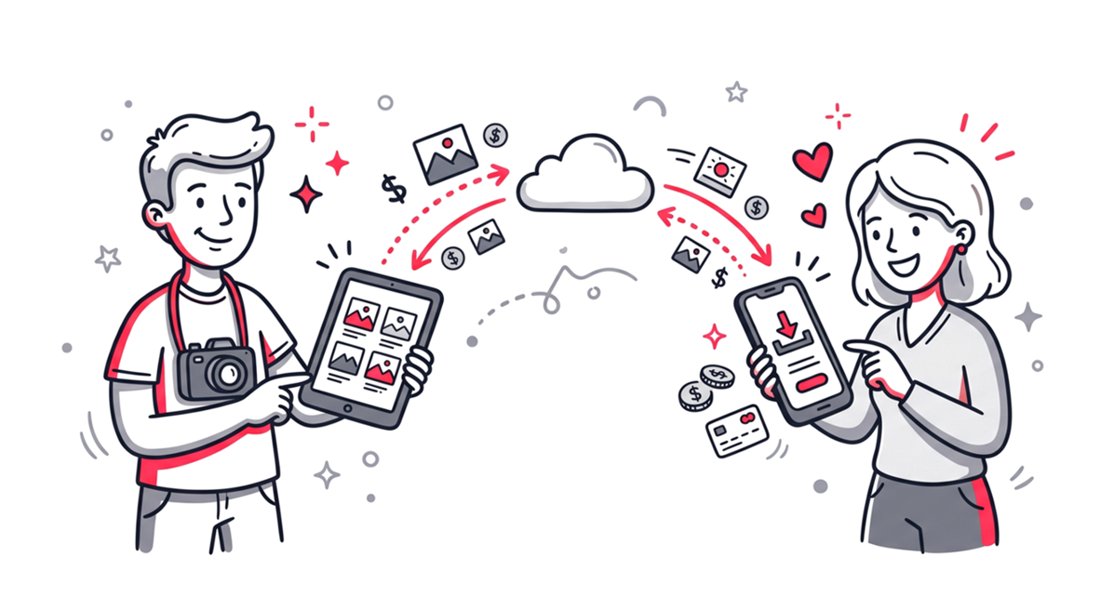
Once edited, the high-resolution files are uploaded to a secure platform. Because SnapSeek is an online photo sharing tool, this process happens quickly through the browser.
The platform generates a unique, secure environment for that specific event. The AI engine immediately begins indexing the faces in the background.
Step Three: Share via QR Code or Secure Link
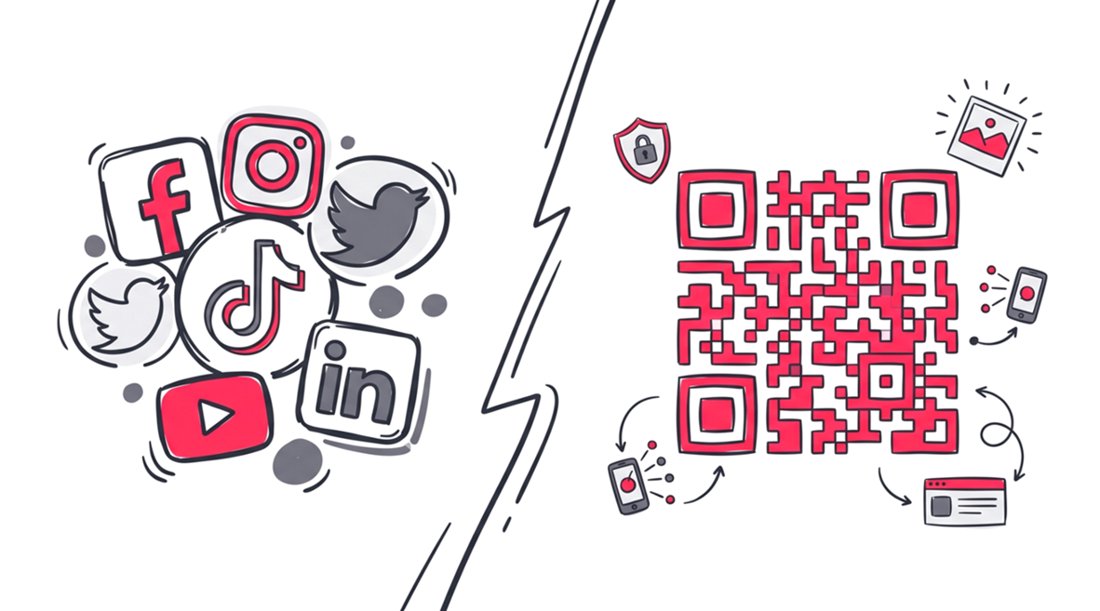
The final step is distribution. Organizers can print QR codes on event lanyards, place them on tables, or include the link in a post-event email blast.
Attendees simply scan the code, snap a selfie, and instantly receive their polished photos. No forced social media tags, no compressed files, and absolute privacy.
FAQ
Why is a web app better than a mobile app for photo sharing?
A web app removes the friction of downloading software to a mobile device. Attendees can instantly access their photos via a browser link, increasing gallery engagement without draining their phone battery or requiring account creation.
How does one-way photo sharing improve the event gallery?
One-way sharing prevents attendees from uploading low-quality, blurry smartphone pictures to the official album. It ensures the final gallery remains a curated, professional reflection of the event.
Is facial recognition safe for event attendees?
Yes, when used on a secure, private platform like SnapSeek. The AI simply matches a temporary selfie against the closed event gallery to retrieve photos, rather than scraping data for public search engines.
Do photos lose quality when shared through a dedicated app?
No. Unlike social media platforms that aggressively compress files, a dedicated platform preserves the original high-resolution files and vital metadata for crisp, professional downloads.
Can I use this workflow for corporate conferences?
Absolutely. Secure, private photo delivery is highly recommended for corporate events to protect intellectual property and ensure attendees can safely access their professional headshots and networking photos.
Conclusion
Sharing event photos should be a seamless, rewarding experience for both the organizer and the attendee. Relying on public feeds is a shortcut that ultimately damages your brand and violates user privacy.
By adopting a secure, one-way web application, you elevate the entire event experience. You protect your guests, preserve your photographer’s hard work, and deliver memories in the highest quality possible.
Ready to upgrade your workflow? Start delivering flawless, private galleries today with SnapSeek.