Sharing event photos via public Google Drive or Dropbox links poses severe privacy, compliance, and branding risks. The safest method is using dedicated, privacy-first event photo sharing platforms that offer private, host-curated galleries with gated access and biometric indexing.
Corporate event planners and HR directors have relied on standard productivity tools for years. After a successful all-hands meeting or client summit, the default habit is sharing an uncurated Google Drive or Dropbox link. This outdated workflow creates severe privacy, compliance, and branding liabilities for modern enterprises.
When you ask how to share event photos securely, cloud storage folders are no longer the correct answer. Public folders expose every attendee’s unvetted photos to the entire organization. They also invite accidental file deletions and offer absolutely zero brand control.
The modern corporate landscape demands stricter data governance across all departments. Enterprise risk and legal teams are cracking down on unstructured data sharing practices. Finding a secure Dropbox alternative for corporate event photos is now a critical business requirement.
The 3 Pitfalls of Public Cloud Links
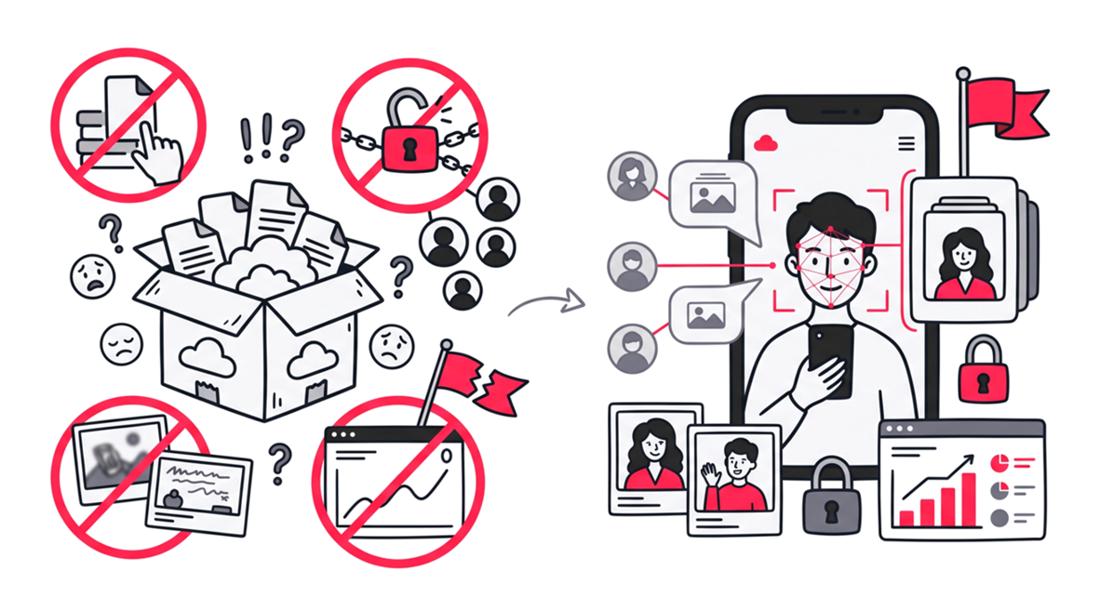
Relying on legacy cloud storage to distribute event galleries introduces massive operational flaws. Organizations must recognize the specific vulnerabilities associated with these platforms. The risks extend far beyond simple inconvenience.
1. Accidental Deletions and Data Loss
Standard cloud folders operate on collaborative access permissions that are difficult to manage at scale. An employee trying to download a photo might mistakenly move or delete the original file instead.
Recovering these lost files requires IT intervention and wastes valuable company time. Version history features in Google Drive can become incredibly chaotic when hundreds of users access the same folder simultaneously. This lack of structural integrity makes cloud drives unreliable for permanent event archives.
2. Zero Access Control and Security Vulnerabilities
A public link generated by standard file sharing tools is inherently insecure by design. Anyone with the URL can view, download, and forward the entire gallery to external parties. This open access model completely bypasses your internal network security protocols.
There is no native way to restrict access on a per-user or per-photo basis within these shared links. If an uninvited guest or competitor intercepts the link, your proprietary event visuals are compromised. Secure event photo distribution requires granular access controls that standard cloud drives simply fail to provide.
3. Uncurated Outtakes and Brand Damage
Corporate events generate thousands of raw, unedited images captured in real time. Dumping these unvetted files into a shared folder represents a massive and unnecessary brand risk. Outtakes often include awkward expressions, sensitive background whiteboard information, or unapproved product prototypes.
Employees do not want their unflattering photos visible to the entire company or management team. Exposing these outtakes damages employer branding and significantly lowers team morale. Host-curated galleries are essential to maintain a professional, polished corporate image.
Corporate Privacy and Employee Consent
Data privacy is the most critical risk when handling visual assets in a professional setting. Employees have a fundamental right to control how their personal image is distributed within the workplace. Blanketing the company with a massive folder of faces violates modern privacy expectations.
Privacy-First Event Photo Sharing
Compliance with strict privacy regulations is mandatory for global enterprises and distributed teams. The General Data Protection Regulation classifies biometric data and identifiable photos as protected personal information. Sharing these assets without strict controls creates massive legal and financial liabilities.
A privacy-first event photo sharing strategy requires explicit consent and rigorous data minimization. You must only share relevant photos with the specific individuals depicted in them. Public cloud links violate the core principle of data minimization by exposing everything to everyone.
The Modern Alternative: Biometric Indexing
The event technology industry has officially moved beyond static folders and zip files. The new standard for distributing corporate memories is intelligent, personalized delivery. This advanced technology transforms a chaotic image dump into a highly engaging digital experience.
Host-Curated Galleries
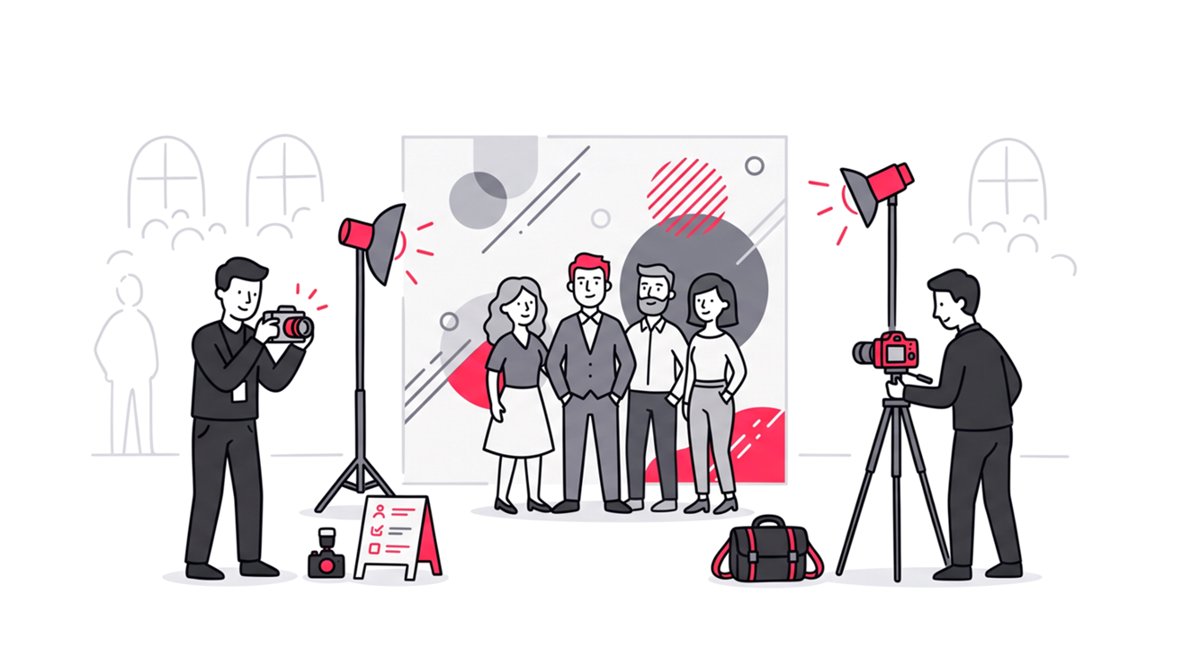
Dedicated event gallery software allows organizers to aggressively filter content before publication. Hosts can remove blurry shots, sensitive background details, and awkward outtakes with ease. This professional curation process ensures only brand-approved visuals reach the target audience.
Curated galleries present event photos in a visually stunning, branded interface. The user experience mimics high-end editorial platforms rather than sterile corporate file directories. This elevated presentation directly reflects the quality and prestige of your corporate brand.
Read more about how SnapSeek compares to Dropbox for event photo sharing.
Facial Recognition and Gated Access
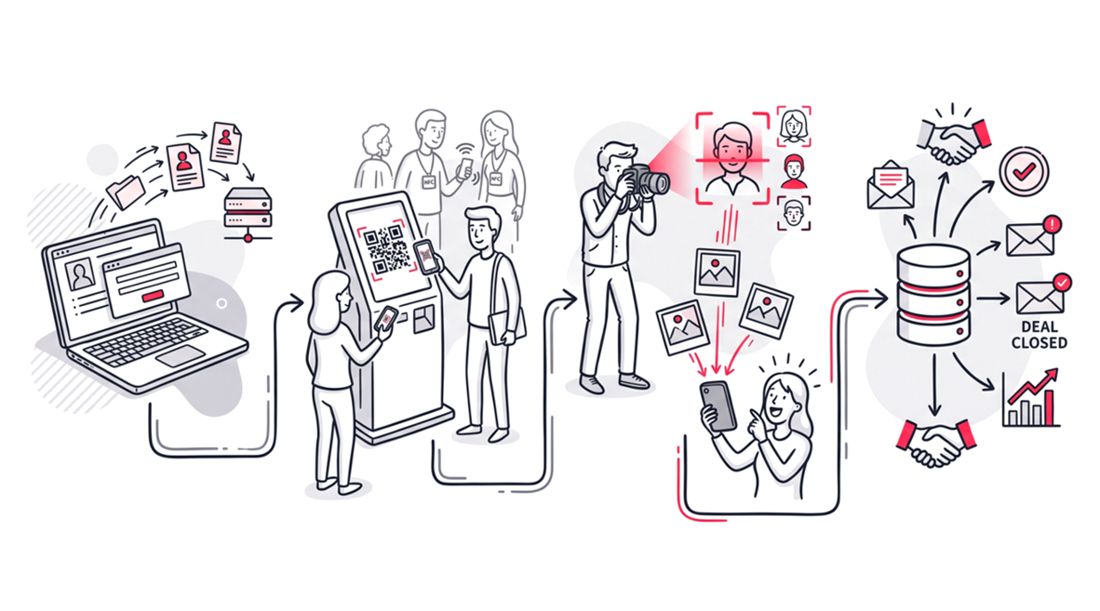
Biometric indexing is completely revolutionizing how modern organizations share event photos. Advanced facial recognition technology scans the entire curated gallery instantly upon upload. It seamlessly creates individualized private galleries for every single attendee in attendance.
Attendees simply upload a quick selfie to authenticate their identity and access their personalized photos. They only see the images they appear in, completely eliminating widespread privacy concerns. This gated access ensures that sensitive corporate visuals remain tightly restricted and secure.
Read more about facial recognition technology and its applications in event photo sharing on our blog.
Comparing Solutions for Corporate Events
Understanding the technical differences between platforms helps enterprise teams make highly informed software choices. The table below outlines exactly why traditional cloud storage falls short for professional event photography.
| Feature | Google Drive / Dropbox | Dedicated Event Gallery (SnapSeek) |
|---|---|---|
| Access Control | Open link sharing, highly vulnerable | Gated access via selfie authentication |
| Privacy Compliance | High risk, fails data minimization | Privacy-first, restricted visibility only |
| User Experience | Sterile file directory layout | Branded, high-end visual interface |
| Asset Delivery | Manual searching through folders | Instant personalized biometric delivery |
| Brand Protection | Zero curation capabilities | Host-curated to prevent outtake exposure |
Enhancing the Digital Experience for Attendees
Modern employees expect seamless, frictionless digital experiences in the workplace. Forcing them to scroll through a thousand-photo Dropbox folder is frustrating and highly inefficient. It quickly kills the post-event momentum you worked so hard to build.
Personalized gallery delivery immediately reignites the excitement of the corporate event. When attendees receive a curated selection of their best moments, overall engagement skyrockets. They are much more likely to download and share these approved photos on professional networks like LinkedIn.
This seamless experience effectively turns your employees into enthusiastic brand ambassadors. By providing them with high quality visual assets, you naturally amplify your corporate reach.
Streamlining the Post-Event Delivery Process
Speed is critical when delivering photos after a major corporate gathering. Attendees want to see their photos immediately while the event is still fresh in their minds. Uploading gigabytes of data to a standard cloud drive can take hours and frequently fails.
Modern platforms are optimized for massive, high-speed image ingestion. The biometric indexing happens concurrently, meaning galleries are ready for distribution almost instantly. This streamlined post-event delivery process removes administrative bottlenecks for busy event planners.
Data Governance and Asset Lifecycles
Enterprise risk management teams must strictly define the lifecycle of internal event visuals. Photos should never live indefinitely on accessible cloud servers without a clear retention strategy. Establishing strict data retention policies is crucial for long term legal compliance.
Modern gallery platforms allow system administrators to set automated expiration dates on event albums. Galleries can be automatically archived or permanently deleted after a designated time period. This proactive approach to data governance satisfies strict legal requirements and significantly reduces server costs.
SnapSeek photo galleries automatically expire after a year. If you want to delete the photos earlier, you can do so manually. There is also an option to extend the life of the photos for as long as you need.
FAQ
Why is sharing event photos on Google Drive risky?
Google Drive relies on public link sharing which lacks granular access control. This exposes uncurated photos to unauthorized users, risks accidental deletions, and violates the privacy principle of data minimization required by corporate compliance standards.
What is a secure Dropbox alternative for corporate event photos?
A secure alternative is a dedicated event photo platform that features biometric indexing and gated access. These platforms allow hosts to curate content and deliver personalized, private galleries to attendees using advanced facial recognition.
How does biometric indexing make photo sharing safer?
Biometric indexing ensures attendees only see photos they appear in. By restricting access based on facial recognition, the platform enforces strict data minimization and prevents the unauthorized exposure of personal information.
Can employees still download their photos easily with secure platforms?
Yes. Attendees upload a single selfie to authenticate their identity. The system instantly matches their face to the curated gallery and provides a personalized dashboard for easy, secure downloading of their specific photos.
Conclusion
The era of sharing uncurated Google Drive and Dropbox links is officially over. These outdated methods expose modern organizations to unacceptable privacy, compliance, and branding risks. Corporate event planners and HR directors must quickly adopt secure, intelligent workflows for visual asset management.
By leveraging private, host-curated galleries with biometric indexing, you comprehensively protect your employees and your brand. This modern approach delivers a superior digital experience while maintaining incredibly strict data governance. Stop risking your corporate privacy with public folders. Upgrade your workflow and secure your event memories with SnapSeek today.