
Event photography at a high school prom is a high-stakes endeavor. Photographers are tasked with capturing hundreds of attendees in a rapidly changing environment. The lighting is often dynamic, the dance floor is crowded, and the energy is relentless.
By the end of the night, a professional might have thousands of raw images sitting on their memory cards. The shoot itself is only half the battle for a modern event photographer. The real struggle happens during the delivery phase.
Students expect immediate gratification and flawless digital user experiences. They do not want to wait weeks to see their photos. More importantly, they do not want to hunt for their moments.
The Realities of High Volume Event Photography
Photographing a large school dance requires serious technical preparation. Photographers often run multiple camera bodies with dual card slots to ensure data redundancy. They bounce between wide-angle shots of the venue and tight portraits of couples.
This workflow generates a massive amount of data in a matter of hours. Back in the studio, the culling and editing process begins. Software tools have sped up color correction, but exporting three thousand JPEGs still leaves the photographer with a delivery problem.
How do you get the right photos to the right students? This is the fundamental challenge of prom photography delivery.
The Traditional School Dance Photo Sharing Nightmare
For years, the industry standard has been the bulk gallery link. Photographers upload thousands of images to a single cloud folder like Google Drive, Dropbox, or traditional client gallery software. They hand an access link to the school administration.
The school then blasts this single link to the entire student body. This is where the user experience completely falls apart. Students open the link and are faced with an endless grid of tiny thumbnails.
They spend hours scrolling through photos. The traditional method forces the end-user to do the administrative work of sorting. Eventually, gallery fatigue sets in and students abandon the page.
How Can Students Find Their Prom Photos Quickly?
This is the exact question event organizers and students are asking every spring. How can students find their prom photos quickly without wasting time? The answer lies in replacing manual searching with automated curation.
The most efficient solution for student event galleries is biometric matching. By integrating facial recognition technology, the gallery does the searching for the user.
Students no longer scroll through a chronological timeline of the entire night. They simply provide a reference image of themselves. The software instantly filters the massive gallery to display only the images where they appear.
The Rise of Face Recognition for Proms
Face recognition for proms completely flips the traditional delivery model. Instead of a one-to-many broadcast, the photographer provides a one-to-one personalized gallery experience. The backend technology analyzes the unique facial geometry of every person in every uploaded photo.
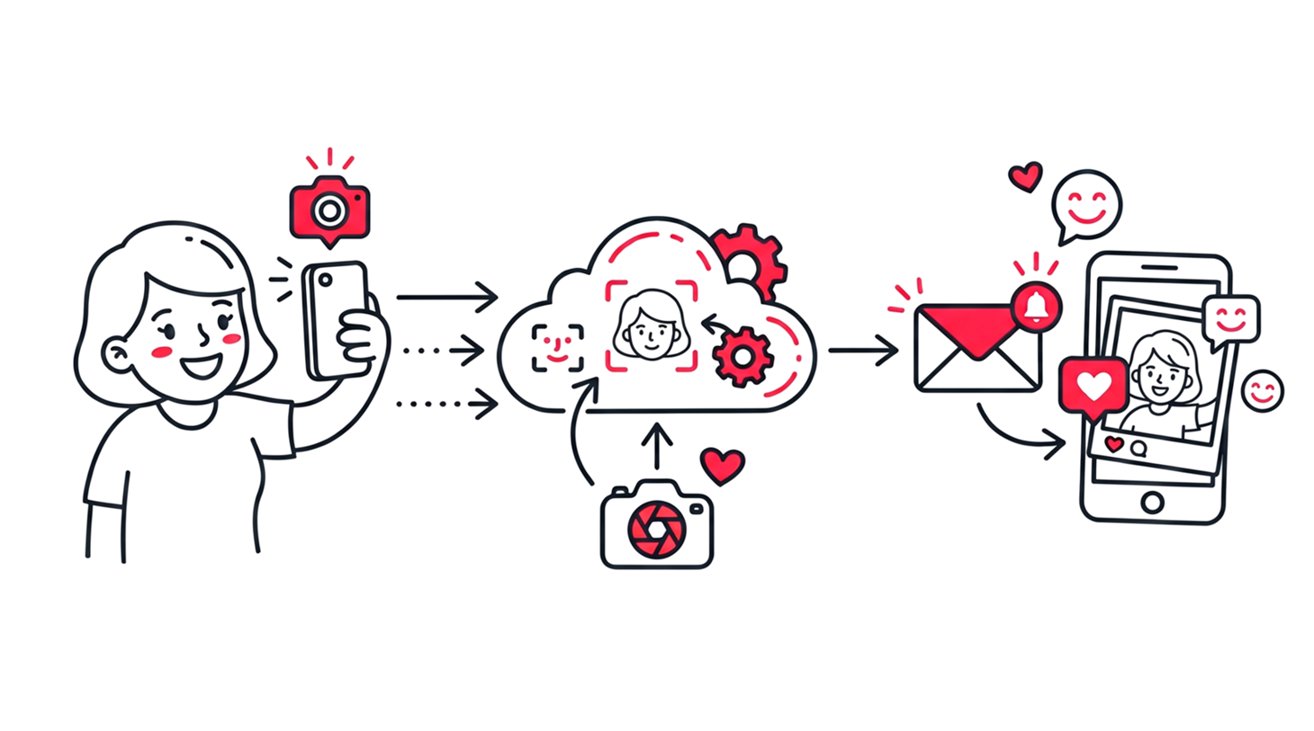
When a student accesses the gallery, they scan their face using their device camera. Within seconds, the algorithm matches their live selfie against the database of event photos. This requires significant computational power, but it happens entirely behind the scenes.
The student is completely insulated from the technical complexity. They just experience magic. This process solves the core friction of school dance photo sharing.
Case Study: Upgrading Prom Photography Delivery
Consider a standard scenario featuring a veteran event photographer covering a senior prom with five hundred attendees. Historically, this photographer delivered a single link containing four thousand photos. The school reported low engagement, and students complained about the clunky experience.
The photographer decided to overhaul their workflow using SnapSeek. They shot the event exactly as they normally would. They culled the bad shots, applied their custom color presets, and exported the final high-resolution files.
Instead of an outdated cloud drive, the photographer uploaded the entire batch to the SnapSeek platform. The upload process was strictly one-way. The photographer maintained complete creative control over the final gallery, ensuring only professional images were visible.
Eliminating the Noise with Instant Ego Gratification
The school distributed the new digital link to the senior class. The difference in user behavior was immediate and drastic. Students clicked the link and were greeted by a clean, modern interface.
They were prompted to take a quick selfie to find their photos. Two seconds later, they were looking at a highly curated feed of their own “Main Character” moments. The noise of the other three thousand photos was completely eliminated.
They saw their grand entrance, their candid laughs on the dance floor, and their posed portraits. This instant ego-gratification led to unprecedented engagement rates. The gallery views skyrocketed, and the photographer became a hero to the student body.
The Mobile First Browser Experience: Why Web Apps Win
Understanding the target demographic is crucial for any tech strategist. Generation Z is incredibly protective of their digital space and smartphone storage. They have a zero-tolerance policy for unnecessary software.
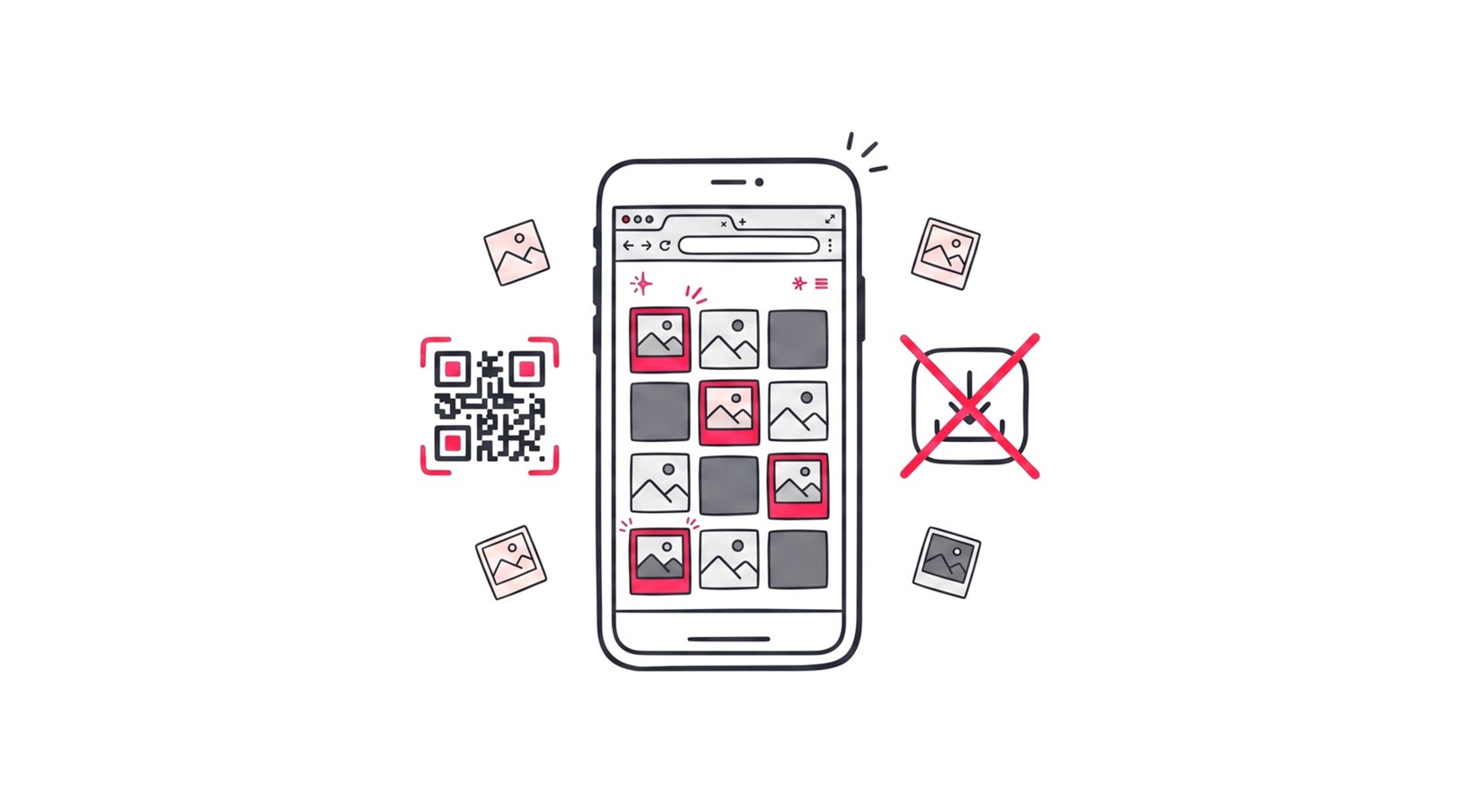
A teenager will simply not download a dedicated native app just to view photos from a single night. Any platform that forces an app download creates an immediate, massive drop-off in user adoption. This is why the mobile-first browser experience is the ultimate feature.
SnapSeek operates entirely as a web app. It delivers native-level performance directly within Safari or Chrome. This frictionless access is the make-or-break factor for high school event photography.
Overcoming the App Download Friction
By utilizing a web app architecture, photographers bypass app store approvals and device compatibility issues. A student clicks a link in a text message and is instantly inside the platform. The user interface scales perfectly to any screen size.
The face scanning process utilizes the native browser camera APIs. It is secure, fast, and requires zero installation. This seamless photo sharing approach respects the user’s time and device constraints.
It keeps the focus exactly where it belongs. The focus remains on the stunning photography rather than troubleshooting software installation.
Automating the Follow Up Process
Event photography delivery is rarely a single, simultaneous upload. Photographers often edit in batches, pushing sneak peeks the next morning and the full gallery days later. This staggered delivery can confuse guests who check early and assume they missed out.
Modern platforms solve this through automated communication. If a student checks the gallery before all photos are ready, they can still engage with the system. They simply sign in, take their reference selfie, and close the browser.
When the photographer uploads the final late-night batches, the software automatically scans the new files. It identifies the faces and matches them against the waiting students. You can read more about how to notify guests when photos are uploaded to see how this background automation drives massive repeat traffic.
Feature Comparison: Modern Delivery vs Legacy Platforms
To truly understand the impact of AI photo sharing, we must compare the workflows. The data clearly shows why legacy platforms are failing event professionals.
| Feature | Legacy Cloud Drives | AI-Powered Web App (SnapSeek) |
|---|---|---|
| Discovery Method | Manual scrolling through thousands of files. | Instant biometric face matching via selfie. |
| User Platform | Desktop preferred, clunky mobile web interface. | Web app, optimized for all devices. |
| Upload Control | Often confusing permissions, risk of guest uploads. | Strict one-way upload for photographers only. |
| Notification System | Manual email blasts to the entire school list. | Automated, personalized email alerts per user. |
| Time to Find Photos | 15 to 45 minutes of tedious searching. | Approximately 2 seconds. |
This table illustrates the stark contrast in digital user experience. The modern approach values the end-user’s time while protecting the photographer’s workflow.
Why AI Photo Sharing is the Future of Event Photography
The integration of artificial intelligence is not a gimmick. It is a necessary evolution to handle the increasing volume of digital media. As camera sensors capture higher frame rates, the total photo count at events will only increase.
Photographers need scalable solutions to manage this data without degrading the client experience. Best AI photo sharing platforms treat image delivery as a dynamic service rather than a static file dump. They turn a static gallery into an interactive engine.
This level of service elevates the perceived value of the photographer. Schools and event organizers are willing to pay a premium for a vendor who eliminates their administrative headaches.
Building a Sustainable Photography Business
For the photographer, this is about more than just cool tech. It is about building a sustainable, high-margin business model. Providing an exceptional delivery experience leads directly to positive word-of-mouth.
When students rave about how easily they found their pictures, the school administration takes notice. This virtually guarantees repeat bookings for next year’s prom, homecoming, and graduation. A frictionless gallery is your best marketing tool.
Furthermore, you are capturing warm leads without manual data entry. Every student who opts into automated notifications is a verified contact. You are building a powerful local network through your high-quality event photography.
Securing Student Event Galleries Online
Privacy and security are paramount when dealing with images of minors at high school events. Traditional public links offer very little protection. Anyone with the URL can scrape the entire gallery.
Face recognition adds an inherent layer of privacy to the viewing experience. A user only gains access to the images containing their own likeness. They cannot freely browse or download portraits of other students.
This targeted access model is incredibly appealing to school districts. It demonstrates that the photographer takes digital security seriously. It is a massive selling point during the vendor selection process.
FAQ
How can students find their prom photos quickly?
Students can find their prom photos in seconds by using an AI-powered web app like SnapSeek that utilizes facial recognition. Instead of scrolling through thousands of images, they simply take a quick selfie, and the software instantly filters the gallery to show only their specific photos.
Do guests need to download an app to see their event photos?
No, modern event galleries operate as mobile-first web apps. Guests access the gallery directly through their default mobile browser like Safari or Chrome, eliminating the friction of app store downloads while providing a native app experience.
Can guests upload their own photos to the professional event gallery?
No, professional event galleries utilize a strict one-way upload system. Only the hired photographer or the official event host has the ability to upload images, ensuring the gallery remains a highly curated collection of professional-quality work.
What happens if a student checks the gallery before all photos are edited?
If a student visits the gallery early, they can sign in and take a reference selfie to register their face in the system. Once the photographer uploads the final batches of images, the system will automatically send an email alert to the student when new photos matching their face are detected.
Is face recognition for proms secure and private?
Yes, utilizing face matching actually increases privacy compared to traditional bulk galleries. Users are only served the photos that feature their own likeness, preventing unauthorized individuals from browsing or downloading images of other students across the entire event database.
Conclusion
The era of endless scrolling and gallery fatigue is over. High school proms generate incredible moments, and those moments deserve to be found instantly. By adopting intelligent photo delivery systems, photographers can provide the instant ego-gratification that today’s youth demand.
You no longer have to compromise between professional quality and rapid delivery. You can shoot at full volume, curate your best work, and let the software handle the distribution. It is time to upgrade your digital user experience and leave the legacy cloud drives behind.
Elevate your next event and give your clients the flawless mobile experience they expect. Take control of your delivery workflow today with SnapSeek.