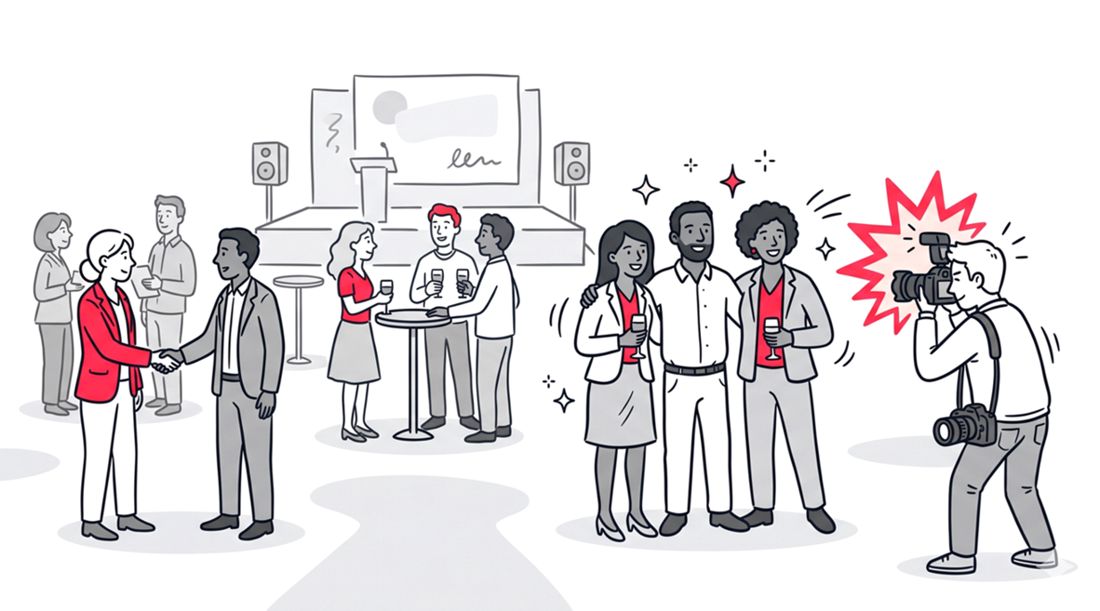
Event photography has always faced a massive bottleneck at the delivery stage. Photographers capture thousands of high-quality images during a conference, gala, or wedding. Getting those specific images to individual attendees is historically a logistical nightmare.
Finding a single picture in a massive online gallery feels like looking for a needle in a digital haystack. Guests waste valuable time scrolling through hundreds of irrelevant shots. This friction ultimately ruins the post-event experience for everyone involved.
Enter the era of advanced facial recognition technology. A modern photo sharing app eliminates the manual search process entirely. Whether retrieving corporate gala headshots or finding summer camp photos instantly for eager parents, AI search removes hours of manual searching. Attendees can now find their exact moments in seconds without digging through cluttered folders.
If you want to know how to share event photos with attendees seamlessly, facial recognition is the undeniable answer. This guide explores how this technology works and why it is transforming the industry.
The Problem With Traditional Event Galleries
Traditional methods of photo distribution simply do not scale. Event organizers typically email a generic link to a cloud drive containing thousands of unsorted images. This puts the entire burden of discovery on the attendee.
Guests must manually scan every thumbnail to find their face. After five minutes of scrolling, most people simply give up and abandon the gallery. The beautiful event photography you paid for goes unseen and unshared.
The best AI photo sharing at events relies on strict quality control. By maintaining a one-way upload system, hosts ensure only professional, curated images reach the audience. Utilizing AI face tagging for photos then acts as the perfect distribution engine for those curated shots.
The Mechanics of Face Recognition in Photo Sharing
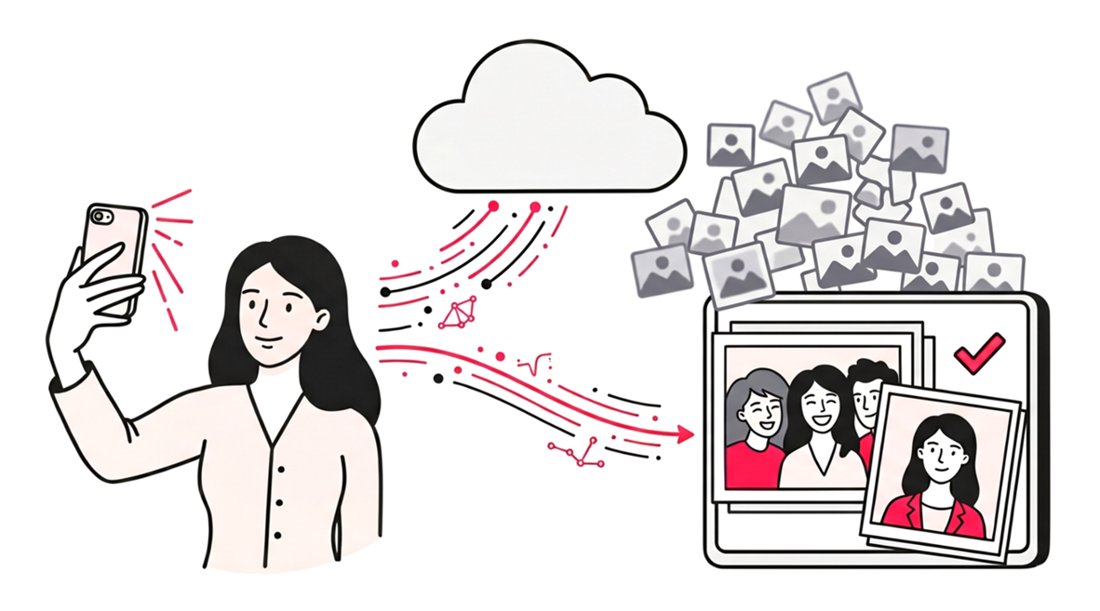
Understanding how to find photos using face recognition requires a look at the backend process. The technology relies on secure biometric mapping to match faces instantly. It compares a user reference image against an entire database of event photos.
On SnapSeek, this process is incredibly fast and operates entirely within a secure web application. There is no need for attendees to download a clunky mobile application to their phones. Everything happens smoothly through a standard mobile or desktop browser.
The platform acts as an intelligent sorting and distribution layer. Photographers shoot with their professional DSLR or mirrorless cameras and upload their final edits.
Once the images hit the server, the system scans them to identify unique facial landmarks. It does not rely on flawed methods like sorting by clothing color or reading text on a jersey. It maps the geometry of the face for pinpoint accuracy.
Step-by-Step: Finding Your Photos on SnapSeek
The workflow for finding pictures should be intuitive for users of all technical skill levels. SnapSeek streamlines this journey into four simple steps. Let us break down exactly how attendees retrieve their memories.
Step 1: The Event Host Uploads the Gallery
The process always begins with the event organizer or professional photographer. They retain complete control over the visual narrative. SnapSeek is a one-way photo-sharing tool where only the host can upload content.
The photographer uploads the high-resolution files directly to the web app. The platform immediately begins processing the batch. It catalogs every face present in the crowd shots, candid moments, and posed portraits.
Step 2: Attendees Access the Web Link
Guests receive a simple, direct URL or scan a QR code at the venue. This link opens the secure gallery portal right in their default web browser. The barrier to entry is virtually nonexistent.
Because it is a web application, there are no app store passwords to remember. There are no software updates to wait for. Attendees get immediate access to the portal regardless of their device type.
Step 3: Secure Selfie Verification
Upon opening the gallery, the system prompts the attendee to take a quick reference selfie. This selfie acts as their digital search key. The application uses this single image to build a temporary biometric profile.
Privacy is a critical component of this step. The reference selfie is only used for matching purposes within that specific event. The user remains in total control of their search criteria.
Step 4: Instant Photo Delivery
The moment the selfie is submitted, the matching algorithm goes to work. Within seconds, the platform filters the massive event gallery. It presents a private, personalized album containing only the photos where that specific attendee appears.
The user can then download their high-resolution images. They skip the endless scrolling and get straight to the content they care about. For further insights into maximizing this process, read our guide on sharing event photos with QR code.
Core Features Upgrading the Experience
Delivering the best AI photo sharing at events requires a specific set of features. We built our platform to address the exact pain points expressed by event professionals. The focus is always on speed, security, and simplicity.
Below is a breakdown of how smart distribution compares to legacy methods.
| Feature | Traditional Galleries | SnapSeek Face Recognition |
|---|---|---|
| Guest Effort | High manual scrolling required | Zero effort with instant matches |
| Upload Control | Mixed and crowdsourced clutter | Strict one-way host uploads |
| Access Method | Clunky mobile app downloads | Frictionless web application |
| Delivery Speed | Days or weeks of waiting | Instant upon host upload |
| Sorting Logic | Manual folders or basic tags | Advanced facial geometry |
These features combine to create a frictionless environment. Planners look like heroes to their clients. Photographers get their work seen and appreciated by a wider audience.
Real World Use Cases for Facial Recognition Delivery
Different types of events require different delivery strategies. However, the core need for personalized distribution remains constant across industries. Let us explore how various sectors utilize this technology.
Corporate Conferences and Networking
Corporate events generate massive volumes of imagery. Keynote speeches, breakout sessions, and networking mixers all require documentation. Professionals want these photos quickly to post on their professional networks.
Facial recognition allows attendees to find their networking shots before the conference even ends. They simply snap a selfie and retrieve their professional headshots and candid moments. This immediate access dramatically boosts social media engagement for the event organizer.
Weddings and Large Private Parties
Couples invest heavily in wedding photography. They want their guests to enjoy the memories just as much as they do. Sending a massive gallery link often overwhelms older relatives and busy friends.
With a smart photo sharing app, guests only see the moments they shared with the couple. They find their family portraits and dance floor candids instantly. You can discover more strategies in our article about how to choose the best wedding photo sharing app.
Brand Activations and Experiential Marketing
Brands need consumers to share content to justify their event spend. If attendees cannot find their photos, they cannot post them. Friction in the delivery process directly hurts the marketing return on investment.
A seamless web application removes this friction entirely. Consumers get their high-quality branded photos immediately. The brand benefits from organic social reach driven by happy attendees.
Sports Events and Races
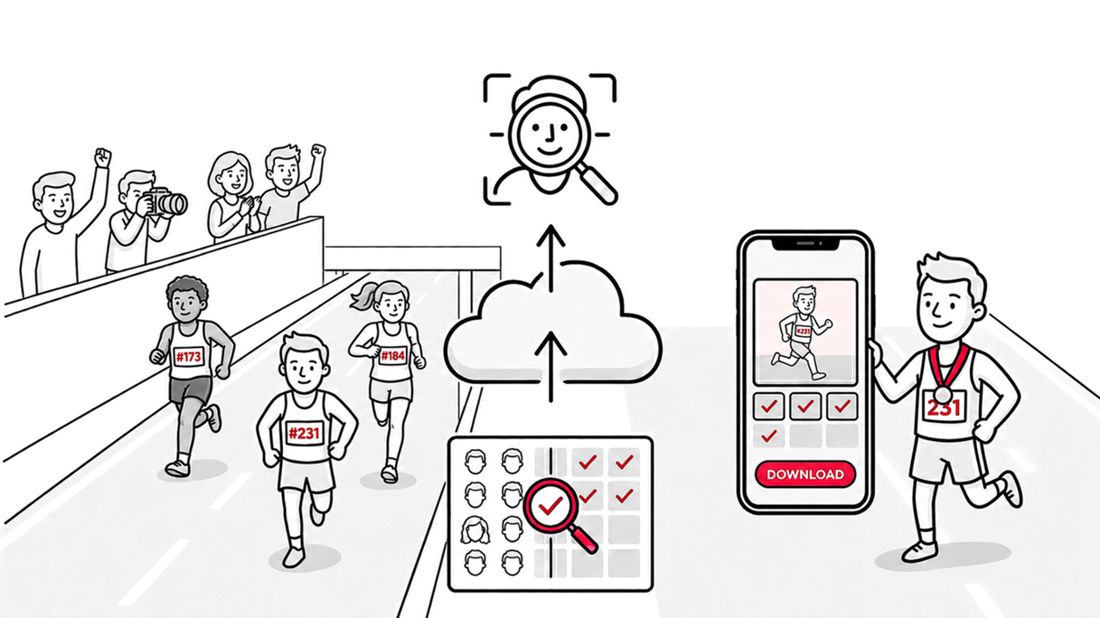
In high-energy environments like marathons or triathlons, time is of the essence. Athletes want to see their finish-line photos immediately after the race. Waiting days for a gallery link detracts from the excitement of their achievement.
Using facial recognition allows race organizers to deliver personalized photo packages instantly. Runners can find their moment of triumph within seconds. This technology turns the distribution process itself into a rewarding part of the race experience.
Graduation Ceremonies
Graduation ceremonies are significant milestones in students’ lives. Families and friends gather to celebrate their achievements. Capturing these moments is essential for preserving memories.
Using facial recognition allows graduation organizers to deliver personalized photo packages instantly. Graduates can find their moment of triumph within seconds.
How to Share Event Photos With Attendees Effectively
Event organizers must prioritize the guest experience above all else. Choosing the right distribution tool is just as important as hiring the right photographer. The goal is to make the technology invisible.
Always opt for a platform that does not force guests to download unfamiliar software. A clean web interface guarantees higher participation rates. It respects the limited storage space on attendees devices.
Finally, educate your audience before the event begins. Let them know how easy it will be to find their photos. Clear communication builds anticipation and drives higher gallery engagement post-event.
FAQ
How accurate is the facial recognition technology?
The facial recognition engine uses advanced geometric mapping to ensure incredibly high accuracy. It can identify individuals even in crowded group shots, varying lighting conditions, or from partial side profiles.
Do attendees need to download an app to find their photos?
No, attendees do not need to download anything. SnapSeek operates entirely as a frictionless web application accessible through any standard mobile or desktop browser.
Can guests upload their own photos to the gallery?
No, the platform is strictly a one-way photo-sharing tool. Only the event host or the designated professional photographer can upload images to ensure quality control.
Does the platform sort photos by jersey numbers or clothing colors?
No, the system strictly uses advanced facial recognition for matching. It relies on unique biometric markers rather than inaccurate methods like text reading or color sorting.
Is the facial recognition search private?
Yes, the search process is completely private. The reference selfie taken by the attendee is used securely to filter the gallery and deliver a personalized digital album.
Conclusion
The days of making attendees scroll through massive digital folders are over. Modern event professionals understand that the final delivery is a crucial part of the client experience. It reflects directly on your brand and your technical competence.
By leveraging advanced facial recognition, you turn a frustrating chore into a delightful surprise. You ensure your professional images actually reach the people who want them most. This leads to happier clients, better reviews, and increased organic marketing.
Stop settling for clunky delivery methods that frustrate your audience. Upgrade to a system designed for speed, privacy, and frictionless access. Make your next event unforgettable from the first snap to the final download.
Ready to transform how your attendees find and share their memories? Start using SnapSeek today and experience the power of smart, one-way event photo delivery.