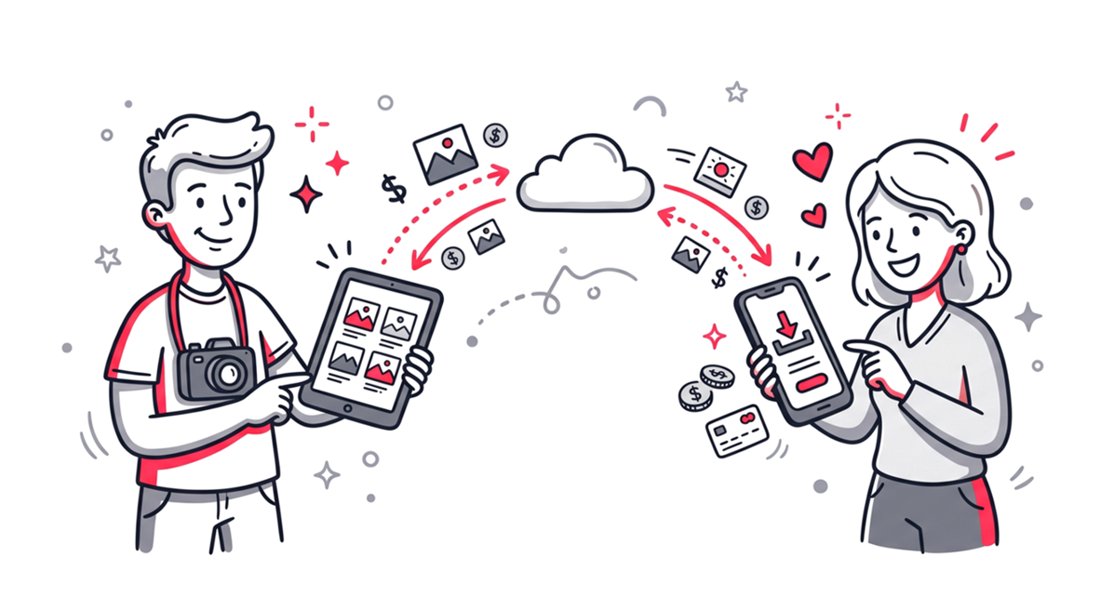

Corporate conferences have undergone a massive transformation over the past few years. Event organizers are no longer just planning logistics and booking catering. They are architecting comprehensive digital experiences for highly expectant audiences.
At the heart of this shift is the modern event tech stack. While corporate summits use these tools for keynote distribution, educational institutions leverage similar visual tools alongside fresh graduation photo ideas for 2026 to elevate commencement ceremonies. This stack integrates seamless digital tools that keep attendees engaged before, during, and long after the closing keynote. Among these modern tools, advanced event photography workflows have emerged as a critical touchpoint.
Finding the most efficient strategy regarding how to share event photos with attendees is now a top priority for forward thinking organizers. Relying on outdated galleries is no longer an option. Using a dedicated AI photo sharing web app is a mandatory feature for maximizing engagement and protecting your brand assets.
The Evolution of Event Photography in Corporate Spaces
For decades, event photography was a static and slow process. Photographers would shoot a conference, edit the images over several days, and deliver a massive digital folder to the organizing team. Organizers would then email a generic cloud drive link to hundreds of attendees.
This approach created massive friction for the end user. Attendees had to waste valuable time scrolling through hundreds of irrelevant images just to find one photo of themselves. Most professionals simply gave up after a few minutes of searching.
The lack of immediate gratification meant that social media momentum died before the event even concluded. The marketing return on investment for expensive event photography was drastically reduced. Organizers needed a better way to distribute content.
Moving Past Native Mobile Apps
Early tech solutions tried to solve this bottleneck by forcing users to download a specific photo sharing app. This well intentioned approach created an entirely new set of problems. Conference attendees are notoriously resistant to downloading heavy native applications for a simple two day event.
App fatigue is a real barrier to user adoption at large scale corporate gatherings. Furthermore, many of these native mobile apps relied on messy two way sharing features. They allowed guests to upload their own blurry, unedited smartphone photos into the official event gallery.
This diluted the professional brand image that organizers paid top dollar to create. A curated, one-way distribution model delivered via the web is the professional standard for 2026. This ensures only high quality assets reach your audience.
Core Components of the 2026 Conference Tech Stack
Building a resilient tech stack requires selecting tools that integrate smoothly and serve a distinct purpose. Bloated software suites are being replaced by specialized web platforms. Each piece of the stack must add undeniable value to the attendee experience.
Advanced Registration Platforms
Modern registration goes far beyond simple ticketing. Today, ticketing platforms capture vital CRM data and set the tone for the entire event. They seamlessly sync attendee profiles with other downstream applications.
AI Photo Sharing Web Applications
This is where visual content distribution takes center stage. A modern photo sharing app utilizes artificial intelligence to process, tag, and distribute professional images instantly. Attendees do not need to hunt for their photos.
Instead, facial recognition technology matches their face against the entire event gallery in milliseconds. By using a web based platform, organizers remove all friction. Attendees simply click a link, snap a quick selfie, and receive their personalized gallery.
You can learn more about building this workflow in our guide on event photography using face recognition.
Why an AI Photo Sharing App is Non-Negotiable
The expectation for instant digital gratification is at an all time high. When attendees have a great experience at a keynote or a networking dinner, they want to share it immediately. Delayed photo delivery breaks this natural marketing cycle.
Speed and Immediate Gratification
AI driven facial recognition changes the delivery timeline from days to seconds. When a photographer uploads a batch of images to the cloud, the AI engine immediately scans and sorts them. Attendees receive a notification linking them directly to their own curated gallery.
This speed empowers attendees to post high quality, professionally branded images to LinkedIn or Twitter while the conference is still trending. The event hashtag gets flooded with premium content rather than dark smartphone pictures. This organic reach is invaluable.
Zero Friction Access
The most effective tech stack is one the user barely notices. Web applications eliminate the need to visit an app store or remember complicated passwords. A simple QR code placed on conference lanyards or presentation screens connects attendees directly to the platform.
This seamless access dramatically increases user engagement rates. We consistently see higher engagement when the barrier to entry is just a simple browser link. Read our deep dive into face search photo technology to learn more about how this works.
Privacy and Brand Control
Privacy is paramount when handling data for thousands of corporate professionals. Traditional public galleries force everyone to look at everyone else. This is a massive privacy liability in 2026.
AI delivery ensures that each attendee only sees the photos they are actually in. This creates a highly secure environment that respects user privacy. Simultaneously, the one-way sharing model ensures that organizers maintain strict control over the visual narrative of the event.
How to Share Event Photos with Attendees Flawlessly
Implementing this technology requires a simple but disciplined workflow. The goal is to connect the photographer seamlessly to the end user. Here is the proven three step process for flawless execution.
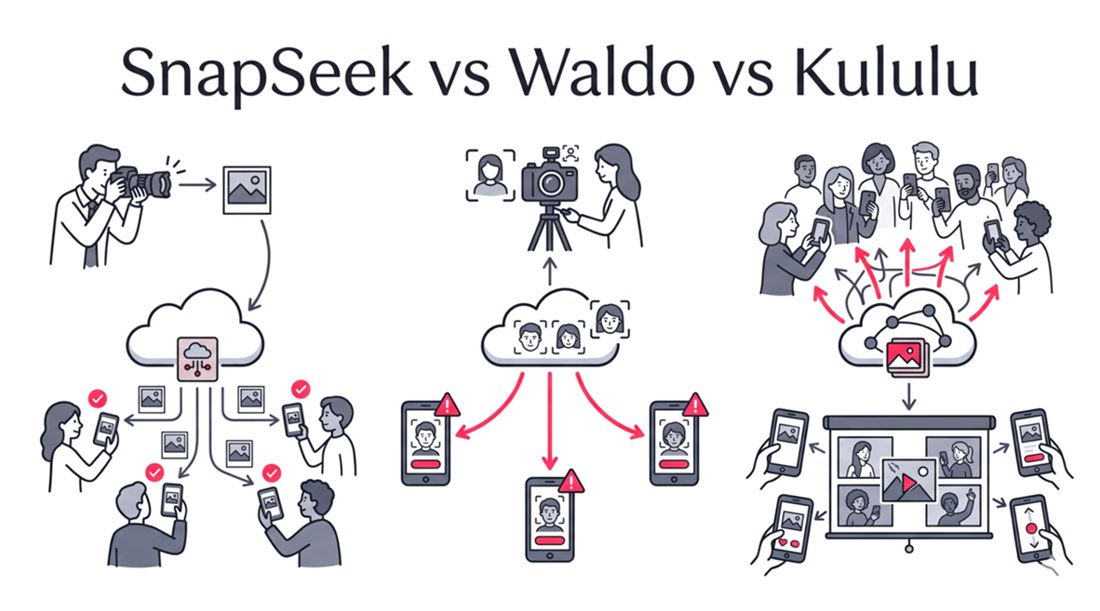
Step 1: Capture and Upload
Professional photographers capture the event using their standard high end gear. Throughout the day, they perform quick selects and upload their best shots to a secure cloud folder on a dedicated app like SnapSeek. This can be done during minor breaks or continuously via wireless tethering.
Step 2: Intelligent Processing
Once the images hit the server, the AI engine takes over completely. The software maps the faces in the new uploads and cross references them with the attendee database. This process happens automatically without any manual tagging required by the event staff.
Step 3: Secure Delivery
Attendees use a unique URL or QR code to access the web app. They take a quick selfie. The platform instantly presents them with a clean, branded gallery of their professional photos.
They can then download or share these images with one click. There are no convoluted menus or complex login screens.
Comparing Delivery Methods
Understanding the stark differences in delivery methods highlights the necessity of modern tools. The table below outlines why traditional methods fail and why AI web platforms succeed.
| Feature | Traditional Cloud Links | Native Mobile Apps | AI Web App (SnapSeek) |
|---|---|---|---|
| Access Method | Email Link | App Store Download | QR Code or URL |
| Friction Level | High (Searching required) | High (Download required) | Very Low (Browser based) |
| Delivery Speed | Days or Weeks | Hours | Instant |
| Privacy Control | None (Public gallery) | Moderate | High (Facial recognition) |
| Content Quality | Professional only | Mixed (Guest uploads) | Professional only |
This breakdown clearly shows the operational superiority of web based distribution. Organizers save time while delivering a vastly superior product to their guests.
Evaluating the Best AI Photo Sharing at Conference Events
Choosing the right partner for your tech stack requires careful evaluation. The best AI photo sharing at conference events must prioritize user experience above all else. Avoid platforms that try to be everything at once.
Look for tools that specialize exclusively in one-way distribution. They should not try to act as a social network or a replacement for your core event app. Their sole purpose should be getting professional photos into the hands of your attendees as fast as possible.
Additionally, ensure the platform operates entirely in the browser. Native apps simply introduce unnecessary technical support tickets during your busiest event days. A streamlined web app keeps your team focused on the live event.
The Business Value of Managed Event Photography
Upgrading your tech stack is ultimately a business decision driven by measurable returns. Managed, AI driven photo sharing provides tangible benefits that impact your bottom line. It turns a static expense into an active marketing engine.
Amplifying Brand Reach
When you remove friction, attendees share more content. Every professional photo shared by an attendee acts as a micro endorsement for your conference. This user generated distribution is more authentic and effective than traditional paid advertising.
You can read more about leveraging this organic reach in our guide to boosting event ROI through photos. The compounding effect of hundreds of attendees sharing your branded assets is massive.
Enhancing Data Privacy and Compliance
Modern data regulations require organizers to handle biometric data with extreme care. Secure web apps process facial recognition data ephemerally. They match the face, deliver the photo, and protect the user identity without storing permanent biometric profiles.
This ensures compliance with strict corporate IT policies while still delivering a magical user experience. You protect your attendees while delighting them simultaneously.
FAQ
How do I ensure attendee privacy when distributing event photos?
Using a secure AI platform with facial recognition ensures attendees only see their own photos. This completely eliminates the need for them to scroll through public galleries. The platforms also allows you to set password protection on the galleries for added security.
What is the best AI photo sharing at conference events?
The best platforms like SnapSeekprioritize curated one-way distribution and operate entirely on the web. This guarantees high quality brand assets without requiring your guests to download additional software.
Can guests upload their own photos to these AI platforms?
Professional platforms like SnapSeek focus strictly on one-way sharing. This prevents blurry or inappropriate smartphone photos from mixing with your expensive professional photography.
Do attendees need to download an app to get their photos?
No. Modern solutions utilize progressive web apps accessed via a simple link or QR code. This removes app download fatigue and increases total engagement.
Conclusion
The 2026 conference tech stack is defined by speed, security, and seamless user experiences. Outdated cloud links and clunky native apps no longer meet the expectations of modern professionals. Finding the right solution for how to share event photos with attendees is critical for your overall event success.
By implementing a dedicated, one-way AI photo sharing web app, you take total control of your visual brand. You eliminate the messy noise of guest uploads while delivering stunning professional content instantly. This is how you turn event photography into your most powerful marketing asset.
Ready to upgrade your event tech stack? Discover how SnapSeek can transform your next conference with instant, frictionless photo delivery.