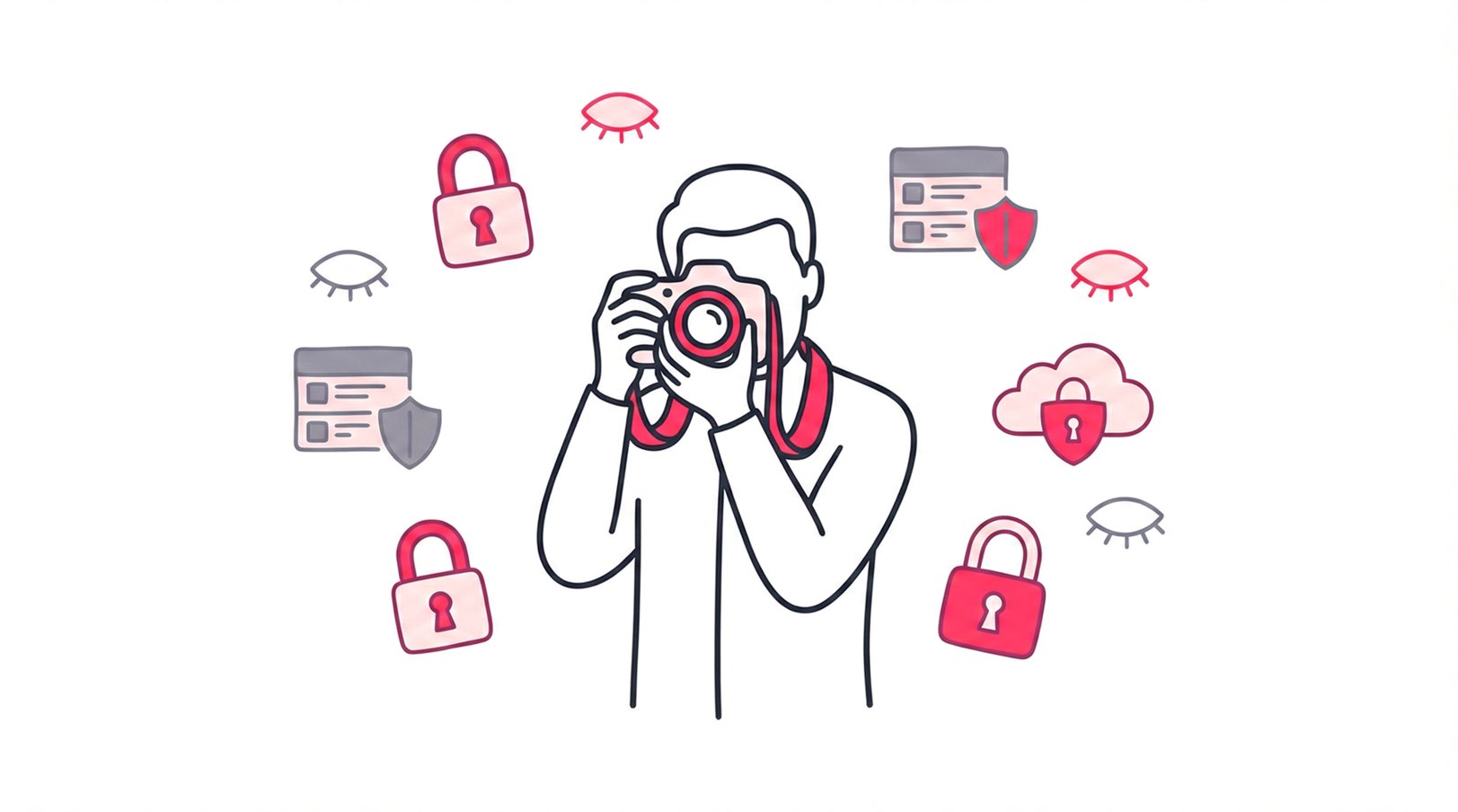
Event photographers hear the phrase facial recognition and instantly picture surveillance cameras and data leaks.
Clients ask, “Is using AI on my guests’ photos legal?” and “Will strangers be able to stalk my attendees?” Those concerns are real and justified.
Public facial‑recognition services have made headlines for privacy violations, but the technology used inside a single event can be fundamentally different. Understanding that difference is the first step toward a safe, compliant workflow.
Mechanism of Action: Defining the Terms
Biometric Retrieval vs. Surveillance
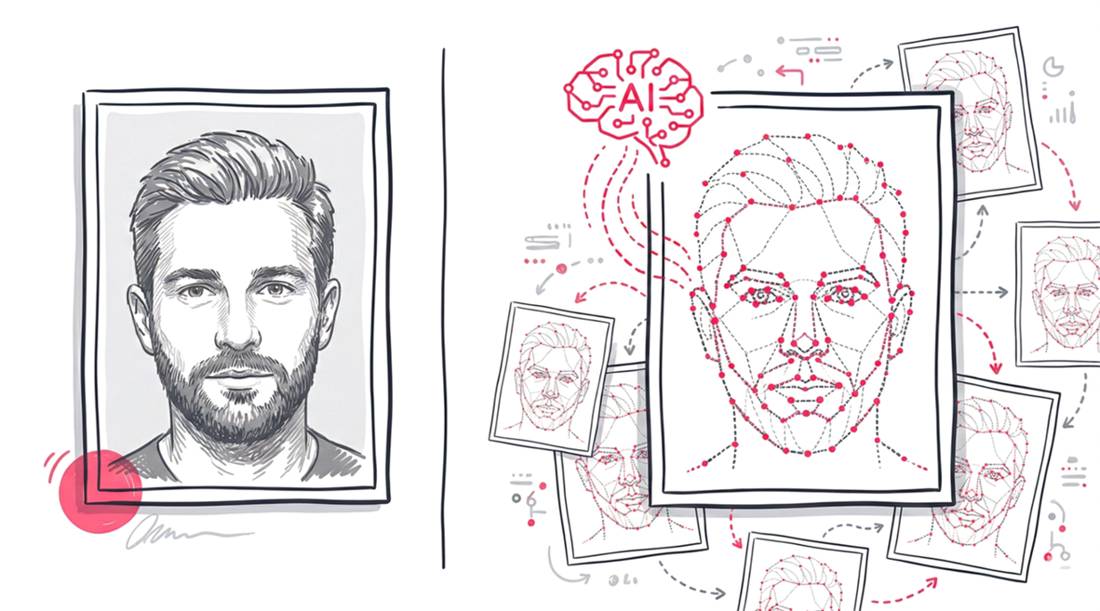
Biometric retrieval refers to searching a closed, event‑specific index for a face that already appears in the gallery.
Surveillance builds a global database that tracks faces across locations and time. The former respects privacy; the latter does not.
SnapSeek implements biometric retrieval by generating a temporary, isolated index that exists only for the duration of the event. The index is stored on the photographer’s server, never uploaded to a public cloud, and is automatically deleted after the event concludes.
SnapSeek is about finding where you were, not tracking where you go.
The Public Gallery Fallacy: A Comparative Argument
Public galleries expose every photo to anyone with the link. A guest can scroll through hundreds of images, locate a child’s face, and download it without consent. This creates a privacy leak that is difficult to audit.
| Feature | Public Gallery | SnapSeek (Private Index) |
|---|---|---|
| Visibility | All photos visible to all viewers | Each guest sees only their own face |
| Data Scope | Global, reusable across events | Event‑specific, isolated |
| Control | Limited; relies on user discipline | Automatic “Hidden by Default” mode |
| GDPR Compliance | Requires manual consent for each photo | Built‑in consent workflow and auto‑deletion |
SnapSeek’s Hidden by Default mode ensures that a guest’s face is invisible to anyone else until the guest explicitly searches for it. This flips the privacy model from “everyone sees everyone” to “only you see yourself.”
Guest Experience
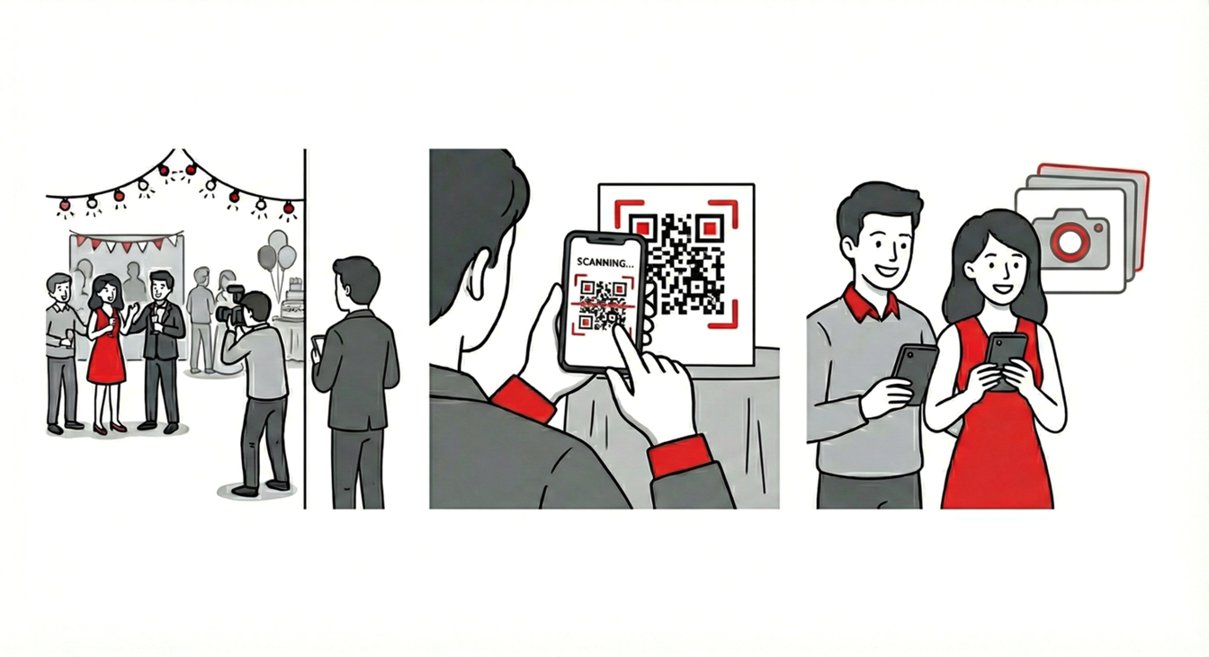
Imagine a wedding guest who wants to find a photo of themselves. With a public gallery, they might spend 20 minutes scrolling through thousands of images, hoping to spot their face. That friction reduces engagement and creates frustration.
SnapSeek introduces Zero‑Scroll Delivery. The guest clicks a selfie and the AI instantly surfaces every image that contains their face. The experience feels like a magnet pulling the right pictures out of a haystack, delivering them in seconds.
This seamless interaction not only delights guests but also encourages them to share the gallery on social media, amplifying the event’s reach without compromising privacy.
Checklist for Ethical AI: Building Trust
- Data Isolation: Does the AI mix data between clients? No - each event has its own sandboxed index.
- No Training on Client Data: Is any event data used to train public models? No – SnapSeek never contributes images to external AI training sets.
- Deletion Policy: What happens after the event? SnapSeek automatically expires the index 1 year post‑event, erasing all biometric data.
- Consent Workflow: Guests must opt‑in before their face is indexed, satisfying GDPR’s explicit consent requirement.
These safeguards turn facial recognition from a potential liability into a trust‑building feature for event professionals.
FAQ
1. Is facial recognition legal for event photography under GDPR?
Yes, if you obtain explicit consent, keep data event‑specific, and delete it after the event. SnapSeek automates all three steps.
2. How does SnapSeek differ from public photo‑sharing apps?
Public apps share every image with every viewer. SnapSeek creates a private index that only the guest can query, and it auto‑deletes after the event.
3. Will SnapSeek train its AI on my clients’ photos?
No. All facial‑recognition processing happens locally and is never used to train external models.
4. Can I customize the retention period for the facial index?
Yes. The host can delete the collection at any time in the Settings panel.
5. Does SnapSeek work on mobile devices?
The web interface is fully responsive, and the facial‑search API works on iOS and Android browsers without additional apps.
6. How does SnapSeek ensure zero‑scroll delivery?
By indexing faces at upload time and using a magnet‑style search algorithm that returns results in under two seconds for typical event sizes.
Conclusion
Facial recognition technology can be safe when it is purpose‑built for events and respects privacy by design. SnapSeek’s isolated indexing and guest‑centric UI demonstrate how AI can enhance the photographer’s workflow without exposing guests to public scrutiny.
Stop exposing your guests to endless scrolling and privacy risks. Switch to the private, secure Selfie Search offered by SnapSeek and deliver a modern, photo experience that both photographers and attendees will love.