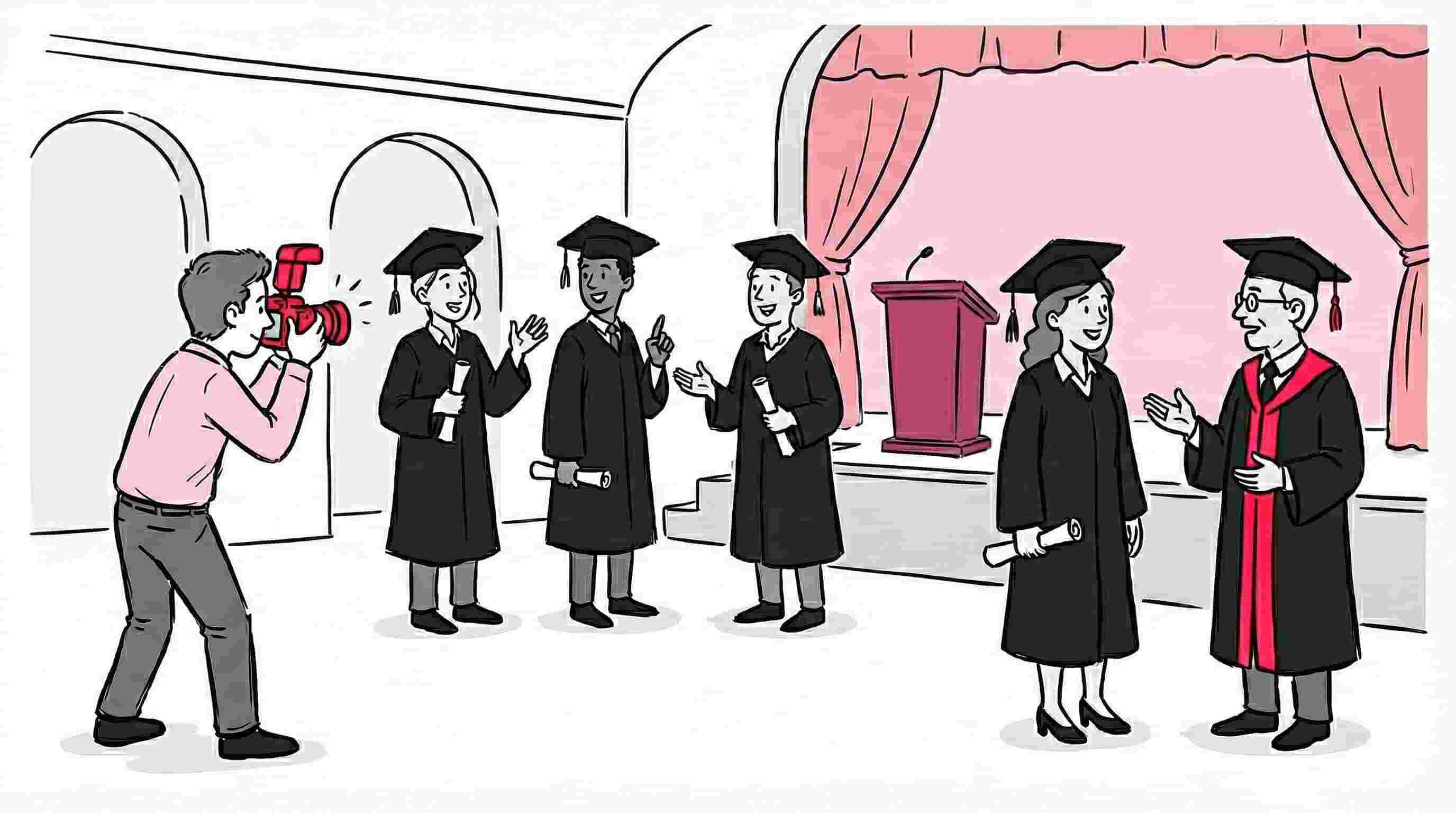
Every event organizer knows the feeling. The event was a massive success, the energy was electric, and hundreds, if not thousands, of photos were taken. Yet, days later, you are wading through a digital mess. Scattered across dozens of text messages, buried in social media feeds, or locked away on guests’ phones, the visual story of your event is fragmented and incomplete. You have a collection of images, but you have lost the memories. This chaos is the silent killer of event ROI and personal sentimentality. For years, the solutions were clumsy: shared cloud folders, awkward hashtag campaigns, and endless follow up emails.
Then came a more elegant solution: digital photo gallery. It streamlined the collection process, but it inadvertently created a new problem: the digital haystack. Now, instead of photos being scattered across the internet, they are scattered within a single gallery of 5,000 images. The task of finding a single photo of yourself or a key moment remains a monumental chore until QR code photo sharing. With a simple scan, guests can find their photos from a private gallery
This guide explores the evolution of event photo sharing, moving beyond mere collection to the next frontier: photo finding. We will cover how QR codes solve the first layer of the problem and then dive deep into how AI-powered tools, specifically face recognition, are providing the final, crucial step. You will learn not just how to share photos, but how to ensure every guest can instantly find the memories that matter most to them.
The Core Problem: Why Traditional Photo Sharing Fails at Events
Before we can appreciate the solution, we must fully diagnose the problem. The challenge with event photos is not a single issue; it is a trifecta of chaos, loss, and privacy concerns that legacy methods and even basic digital tools fail to address.
The Photo Chaos Dilemma
Imagine a wedding with 150 guests with hundreds(if not thousands) of photos. The bulk of the photos remain on your device, never to be seen again. You are left with a decentralized and disorganized library of your most important memories, making it impossible to see the complete story of your event.
The Follow Up Nightmare
The manual alternative is a universally dreaded task: delivering photos via text message, email or Google drive link.Of the photos you share, it can take weeks after the event, long after the excitement has faded. This is not a viable strategy for sharing the joy at the full scope of an event.
The Privacy and Security Headache
In a world where digital privacy is paramount, using public social media as a primary photo-sharing tool is a significant risk. Private moments become public content. Photos are reposted, tagged, and used in ways you never intended. For corporate events, this can mean leaking sensitive information or company culture details. For private events like weddings or birthdays, it means exposing personal memories to a global audience. An effective photo sharing solution must be private by design, giving the event host complete control over who sees the content.
The Modern Solution: How QR Code Photo Sharing Works
QR codes have emerged as the most effective solution to the collection problem. They are universally understood, require no special apps, and provide a frictionless experience for guests of all technical skill levels. Here is a breakdown of how these systems create a centralized and simplified photo sharing process.
Step 1: Create Your Private Event Gallery
The process begins with the event host creating a private online gallery for the event. This is not a generic cloud folder; it is a branded portal. You can name your event, such as “Sarah & Mike’s Wedding,” upload a company logo, and even password-protect your collections. This creates a professional and trustworthy environment for guests. Within minutes, a unique QR code and a shareable link are generated for your event.
Step 2: Share the QR Code with Your Guests
The genius of the QR code is its versatility. You can share it both physically and digitally. For maximum participation, savvy organizers integrate the code everywhere:
- Print Materials: Include it on invitations, table menus, and event programs.
- On Site Signage: Display it prominently at the entrance, near the bar, or at a dedicated photo booth station.
- Digital Sharing: Send the link via email and text message, or even display the QR code on a projector screen letting them know they can access their photos later via the same QR code.
The instruction is simple: “Scan to Receive Your Photos.” This intuitive call to action is all that is needed.
Step 3: The Seamless Guest Access
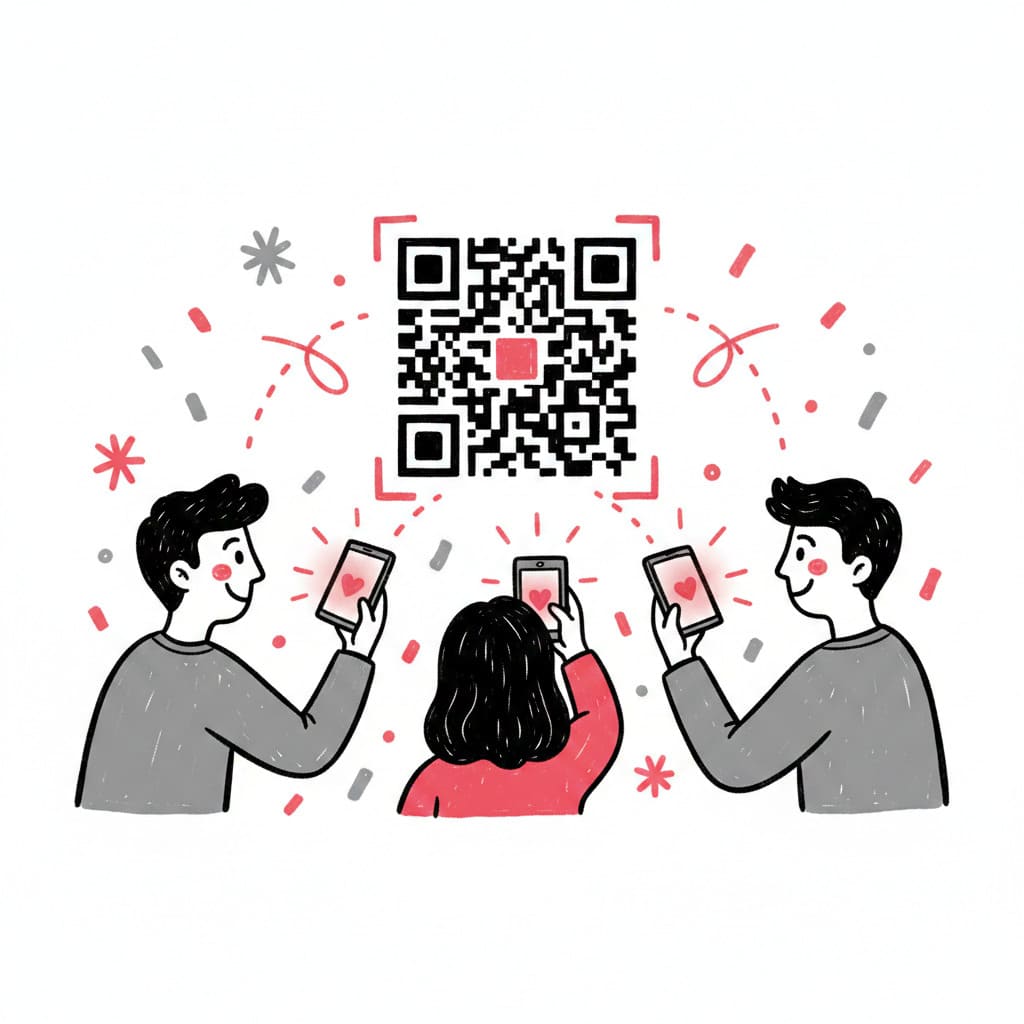
This is where QR code systems outshine all other methods. A guest scans the code with their phone’s native camera app. A webpage opens instantly in their browser. There is no app to download, no account to create, and no password to remember. They are taken directly to your event album, where they can view and download photos. They can view all event gallery or just their own photos by clicking a selfie- depending on the privacy settings you selected. The entire process takes less than 30 seconds.
The Ultimate Photo Finder
QR codes have solved the photo sharing problem. However, there still exists a challenge of photo discovery. A successful event can now easily yield a gallery with over 5,000 photos. While it is fantastic to have all this content in one place, it is functionally useless if nobody can find the photos they care about. Asking a guest to manually scroll through thousands of images to find the two pictures of themselves is not a realistic or user friendly experience.
This is where the industry is pivoting. The new standard is not just about collecting photos; it is about making those photos discoverable. The goal has shifted from being a “photo sharer” to being a “photo finder.” This evolution is powered by artificial intelligence, which can analyze and tag vast quantities of visual data in seconds, turning a chaotic gallery into a searchable database.
A Deeper Dive: How AI Face Recognition Revolutionizes Event Galleries
Artificial intelligence, specifically image and face recognition, is the technology that bridges the gap between bulk images and discovery. It automates the most time consuming task associated with event photography: organization.
The Power of AI Face Search
Here is how an AI photo finder works. After your event, you or a guest can upload a selfie. The AI scans the entire gallery of thousands of photos and, within seconds, returns every single image in which that person appears. What would take a human hours of manual scrolling and tagging is accomplished almost instantly.
This is more than a convenience; it is a fundamental change in how we interact with event photos. Guests are no longer passive viewers but active searchers. They can instantly find their own memories, download them, and share them. This dramatically increases post event engagement and the perceived value of the gallery.
Engaging Guests with Live Slideshows
Modern platforms also leverage this real time upload capability to create a more engaging event experience. As guests view photos, they can project them onto screens in a live slideshow. This creates a dynamic and interactive element. Guests see their photos appear instantly, which encourages them to participate even more with the content. This turns the act of photo sharing into a form of collective entertainment.
Ensuring Privacy and Security with AI
The mention of “face recognition” can understandably raise privacy concerns. However, leading platforms have engineered their AI with a privacy first approach. The AI only runs when a user actively initiates a search. It does not continuously scan or monitor the gallery. Furthermore, the facial data is used exclusively for that search and is never sold or used to train third party models. Your data remains your own. This stands in stark contrast to public social media platforms, where your images are routinely used to train large scale AI systems.
FAQ
Do guests need to download an app to scan the QR code?
No. Modern smartphones have QR code scanners built directly into the camera app. Guests just point their camera at the code and the gallery opens in their mobile browser.
Is Face Search reliable for large groups?
Yes. Unlike manual tagging, which is prone to error, AI face recognition can scan thousands of photos in seconds with high accuracy, even in group shots.
Can I turn off Face Search and just show all photos?
Yes. Platforms like SnapSeek offer flexible privacy settings. You can enable “View All” for public events or restrict access to “Face Search Only” for privacy.
What happens if a guest doesn’t have a smartphone?
You can always share the direct gallery URL via email or text message as a backup, ensuring every guest can access the photos from a computer or tablet later.
Conclusion
The paradigm of event photography has shifted. It is no longer enough to simply collect and store photos in one place. The true value lies in the ability to find the moments that matter. The combination of QR code technology for seamless photo sharing and AI-powered face recognition for instant discovery represents the new industry standard. When comparing software options, reviewing the top 10 event photo sharing apps ensures you choose a platform that fits your specific event scale. Through this technology, you provide a vastly superior experience for your guests and unlock the full value of your event’s visual content.
As you plan your next event, ask yourself: do you want to create a digital shoebox of photos, or do you want to build a searchable, living archive of memories? The technology to do the latter is here. Platforms like SnapSeek are pioneering this approach, ensuring that your most cherished moments are not just stored, but are always just a search away.