Event photographers often return from shoots with thousands of images-particularly at weddings, conferences, sports meets, or festivals-and are burdened with the job of identifying who is in which photo, and how to deliver each guest their pictures efficiently. It is a time-consuming and error-prone task to sort images by person or to send galleries of individual photos manually.
Traditionally, photographers might cull their photos into name folders, tag each individual one by one, or hope that the clients go through hundreds of shots themselves. This conventional workflow wastes hours per event and frustrates the guests who cannot quickly find themselves.
Fortunately, there are some modern AI-driven photo-sharing tools that have emerged to automate this process. Using facial recognition and smart galleries, photographers can now tag, sort, and deliver guests’ images in seconds. Basically, AI has become the rescue to track guest photos and provide an instant, personalized experience.
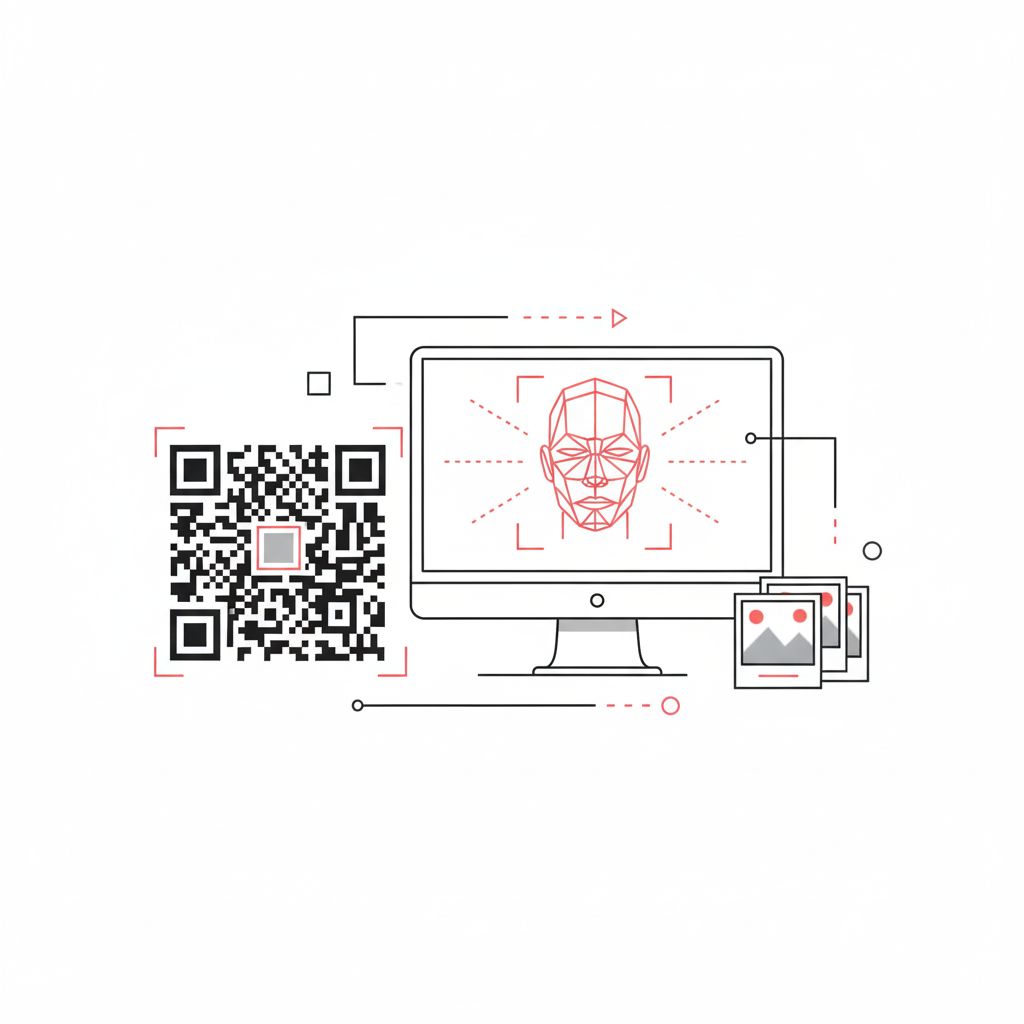
SnapSeek is just one example of the new breed of AI-powered event photo-sharing platforms that apply facial recognition to event galleries so that each guest can find every photo they appear in instantly. It’s simple and fast: you upload event images, share a secure link or QR code, and guests take a selfie or search by face to view all their photos. In our words, “Guests take a selfie and instantly see all photos they appear in. No signup required.” It means that after a wedding or conference, there is no need for attendees to sift through albums, AI does that for them.
Key Features in AI Photo Sharing Apps
Apps like SnapSeek, Pic-Time, Waldo, among others, ideally have:
Facial Recognition Tagging: AI automatically detects faces in every photo and groups images by person. You no longer have to tediously label who is who; the software does it instantly. As SnapSeek notes, saving 4 to 6 hours per event from manual sorting. At the same time, Waldo’s platform automatically sifts and sorts through photos of the people you capture with face recognition.
Selfie-Based Photo Search: Guests find their pictures by taking a selfie or uploading one face shot. The system matches that selfie against the entire gallery and pulls up all matching images. For large events, this is a game-changer. Pic-Time’s new gallery search lets attendees take a selfie… and get their photos in seconds. No need to type names or browse endlessly- just a quick selfie and all personal photos appear.
Secure, Private Sharing: Advanced platforms emphasize the importance of privacy: every event gallery is private by default and can be accessed only through a unique secure link or QR code. For example, SnapSeek ensures that all photo collections are private by default. Guests can only access photos via a secure, private link. That is to say, only invited guests can locate the images, no public posting and no search. Similarly, Memzo directly presents itself as a completely private photo sharing platform hosting images on secure servers.
How It Works
A Three-Step Workflow: AI photo-sharing tools simplify event photo delivery into a few easy steps.
For instance, SnapSeek outlines a 3-step process:
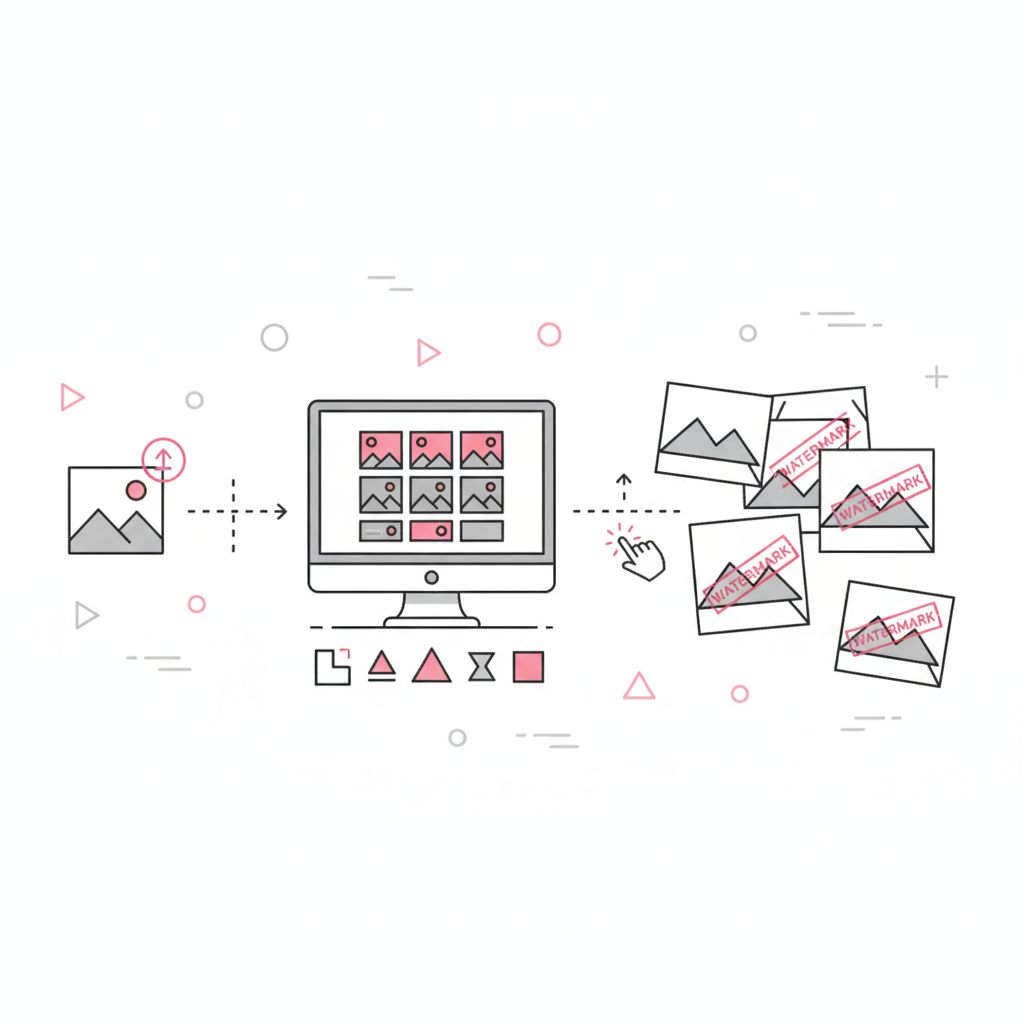
- Upload Photos: The photographer uploads all event images to a private online gallery. SnapSeek offers an easy drag and upload feature where you can upload upto 10K photos in one go.
- Send Out the Link: The photographer creates a secure link or a QR code to the gallery and shares that with their clients or posts it at the event.
- Instant Photo Discovery: Guests open the link, take a selfie or select a face, and immediately see every photo containing them. Because the matching is done by AI, there is now “no more manually sorting photos by person”, as images simply appear for each guest.
This streamlined process saves the photographer an enormous amount of time. With SnapSeek, there’s no more manually sorting photos by person or sending individual galleries. AI does the work instantly. In practice, photographers upload once and the system handles all guest searches and downloads.
Benefits for Photographers
AI sharing tools transform the photographer’s workflow. Instead of spending the day after an event tagging faces and creating dozens of separate albums, a photographer can focus on shooting, while the software handles organization. The time saved (often several hours per event) can be invested in shooting more events or marketing.
AI delivery also enhances client satisfaction: instant photo access delivers an unforgettable experience that clients will rave about. Happy clients tend to give more referrals, boosting the business. And because guests find their photos quickly, they’re more likely to share images and order prints-driving extra revenue. One study found that making images easy to find and share has been proven to improve engagement, boost photo viewing/sharing, and drive up print sales. In short, AI photo sharing can grow a photographer’s brand and sales without extra effort.
ROI for Guests
From a guest’s perspective, this technology is a dream come true. Instead of having to wait weeks or months for an album link from the photographer, using this tech allows attendees to immediately view and download photos of themselves. This instant gratification fits today’s on-demand world.
Importantly, guests do not have to download an app or create accounts - guests utilize the private link or QR code and take a selfie. This frictionless access means even non-tech-savvy guests find it easy. For a complete walkthrough on saving original images across phones and computers, see how to download event photos easily. The capability for immediately finding personal images, especially at big events, turns attendees into the event’s voice on social media, as they go on and share personal photos with friends and family. Put simply, faster access makes guests happier and more engaged.
Privacy and Security
Professional photographers and clients rightfully worry about privacy. AI photo-sharing platforms introduce robust safety measures into this process. SnapSeek boasts enterprise-grade security, and one-year encrypted storage, while promising that only invited guests will see each collection. Memzo similarly promises 100% data security and privacy, using secure storage and never sharing data externally.
In contrast to openly posting photos, these services make sure images are accessed by the right people. Photographers can reassure clients that personal images will not leak to public social media.
Enhanced Capabilities & Personalization
The ability to make it personal is larger than just face search for photographers in many ways. SnapSeek, for example, can insert a personal message or branding when sending out galleries-tuning a potentially mundane link into a personal note for clients.
SnapSeek’s sends a quick, personalized message with each gallery to add warmth. Other platforms allow guests to directly order high-quality prints or albums from their search results by integrating with print stores. Others create fun, automated slideshows or the ability for guests to favorite images. It spurs engagement-once guests can find their images with ease, they tend to share more with friends or order prints. As Pic-Time mentions, effortless photo search and sharing makes them unforgettable and gives clients personalized service that amplifies referrals.
Use Cases
AI photo sharing is useful in every event that engages many people. Classic use could be made during weddings, instead of sending batches of photos via email, the bride, groom, and their guests could access all of their photos instantly. Corporate conferences will also benefitète greatly as organizers can share head shots or candid shots with attendees in no time without asking every speaker to go comb through galleries for photos.
For school events (graduation and dances), and sports meets (marathons, games), it’s ideal. SnapSeek works for any event type: from intimate weddings to corporate conferences, everything from sports and school functions to festivals being listed. Even small private gatherings can make use of this so nobody gets left out of the memories. In each case, the same three-step AI process applies, just scaled to the event size.
Onboarding
The barrier to entry is low. Many of the services, including SnapSeek, offer free trials or introductory credits. SnapSeek, for example, gives free 30 photo credits-one credit per photo-and does not require a credit card. Photographers can test the system on a small event and see the time-savings immediately.
Since these platforms are pay-as-you-go, there are no monthly fees: you pay only for the photos you share. For example, SnapSeek’s pricing is as straightforward as 1 photo = 1 credit, with larger packs for high-volume users. Also, internal support resources, FAQs, and blogs such as SnapSeek’s bring new users through setup.
FAQ
How do guests find their photos?
Guests just open the private gallery link and take a selfie. The AI engine then matches that selfie to the event photos. Guests visit the unique event link, take a selfie, and SnapSeek instantly finds all their photos using AI face recognition. No signup or app needed.
Do the guests have to log in or install an app?
No, these systems are frictionless by design. SnapSeek does not require any signup for guests. As guests, one can view the shared link on any web browser one uses, or scan a QR code; creating accounts and downloading apps are totally unnecessary. Zero-friction access means even tech-unsavvy users can download photos easily.
How accurate is the face recognition?
Modern AI is surprisingly precise. SnapSeek offers 99.9% accuracy in matching faces. Competitors report similarly high accuracy - Memzo, for example, claims 99.3% accuracy, even with challenging conditions (blur, masks, side-angles). In real-world use, this means very few photos are missed or misidentified.
Is my data secure and private?
Yes, reputable platforms have created systems that keep the gallery of each event completely separate and highly encrypted. SnapSeek says face recognition data is isolated per collection. Photos are never public or searchable by anyone else. Collections are private by default. You maintain privacy because you control who has the link.
How long are photos stored?
SnapSeek retains images 1 year from upload; this gives ample time for guests to download memories. This automatic expiration, followed by secure deletion, balances availability with data management. You can always re-upload them for new events after that period.
How much does it cost?
Most services use either a simple credit or per photo pricing. For example SnapSeek is simply pay-as-you-go: 1 credit = 1 photo. You buy a bundle of credits, upload that many images and you are done. No hidden fees or subscription charges. SnapSeek even offers free 30 photo credits. No card required to get you started. Guests never pay; only the event photographer or organiser purchases credits.
What if I have a very large event?
These platforms scale easily. There is generally no limit on the number of guests who can search their photos. For very large photo volumes, you simply buy more credits. The AI processes photos in parallel, so even thousands of images can be indexed in minutes. In practice, photographers use these systems for everything from small parties to 1,000+ attendee conferences.
Conclusion
In today’s fast-moving event landscape, AI photo sharing tools have changed the game for photographers when it comes to sharing guest photos. Gone are the days of sorting forever and wayward emails. Today, it takes just one secure link and a quick selfie for each guest to access their photos in an instant. This practice does not only save the photographer hours of work but also impresses and engages the client.
By adopting an AI-driven platform, photographers can deliver a smoother, more professional service: instant, hassle-free access to photos for guests and hundreds of hours saved across a career. AI is indeed the rescue solution for tracking and sharing event photos, making sure every guest relives the moment with just a few clicks.
Check out SnapSeek’s own blog for tips on event photo sharing, and see our pricing page for details of our plans and some frequently asked questions. These pages, together with our FAQ section, give further guidance on using AI for ease in photo management.